


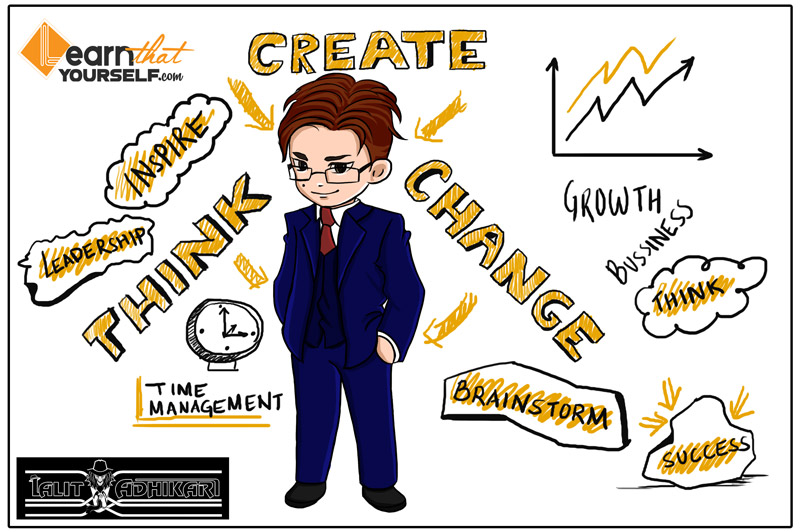
Leadership has never been just about titles, designations or corner offices. It is about the quiet, consistent courage to influence lives, hold a vision and walk alongside people as they grow.
When I was a child, that understanding started forming in the most unexpected place: the last page of a monthly magazine called GEO, a photography and educational publication known for its powerful human stories and visual storytelling.
The final page always carried an interview titled “I’m One in 7 Billion+”—a celebration of an ordinary person’s dreams, struggles and voice. Whenever I felt insignificant, I would turn to that page and it reminded me that every life, including mine, mattered.
That is where my fascination with leadership truly began—not with famous CEOs or politicians, but with everyday people who quietly showed up for others.
In this ultimate guide, we will explore what leadership really means today, the main leadership styles, the inner qualities that make leaders human and effective and how you can consciously grow into the kind of leader others trust and remember.
My name is Lalit Adhikari and we are at LTY. Let’s begin!
Table of Contents
What Is Leadership?
Leadership is the process of influencing people towards a meaningful, shared goal. It is the ability to align minds, hearts and actions—so that a group of individuals moves in the same direction with purpose.
Unlike authority, which can be given by a job title, leadership is earned through behaviour, trust and impact.
Why Leadership Matters in Today’s World
In a world that is uncertain, fast-changing and noisy, people look for clarity, courage and compassion. That is exactly what good leadership provides.
Whether you are leading a classroom, a small team, a non-profit, a start-up or even your own family, leadership:
- Creates direction when things feel chaotic.
- Builds trust when fear and doubt are high.
- Turns individual effort into collective progress.
You do not have to be “in charge” of a large organization to be a leader. You are already leading whenever your words, decisions and energy influence others.
Types of Leadership (With Human Examples)
Different situations and cultures call for different approaches. Understanding leadership styles helps you become more intentional and flexible.
Transformational Leadership
Transformational leaders inspire people to go beyond their comfort zone and grow into their potential. They focus on purpose, meaning, and long-term change.
They:
- Paint a compelling vision of the future.
- Challenge people to grow instead of staying safe.
- Lead by example in values and work ethic.
This style works well when change, innovation, or cultural transformation is needed.
Situational Leadership
Situational leaders adjust their style based on the maturity, confidence, and needs of their team.
They might:
- Give clear instructions to a new team member who needs guidance.
- Shift to coaching when the person gains some experience.
- Eventually delegate when the person becomes capable and confident.
Instead of forcing one style on everyone, situational leaders stay flexible.
Servant Leadership
Servant leaders start with a simple question: “How can I help you succeed?”
They:
- Put the needs of their people before their own ego or comfort.
- Focus on developing others’ skills and confidence.
- See leadership as service, not status.
This style often builds deep loyalty, trust, and a healthy culture.
Autocratic Leadership
Autocratic leaders make decisions on their own and expect others to follow.
They:
- Centralize authority.
- Move quickly without much consultation.
- Work best in crises or highly structured environments.
However, if overused, this style can damage trust, creativity, and morale.
Democratic Leadership
Democratic leaders involve people in decisions.
They:
- Ask for input, ideas, and feedback.
- Facilitate discussion before deciding.
- Help people feel heard and included.
This style improves buy-in and creativity, but can be slower when speed is crucial.
Laissez-Faire Leadership
Laissez-faire leaders give people a high degree of autonomy.
They:
- Offer minimal direct supervision.
- Trust people to make their own decisions.
- Work best with highly skilled, self-motivated teams.
However, without clear expectations, this can slip into confusion or lack of accountability.
Essential Qualities of Great Leaders
Leadership is less about your job role and more about your inner qualities and daily behavior. Here are some core traits that consistently show up in effective leaders.
Vision
Great leaders can see a future that does not exist yet—and describe it so clearly that others want to help build it.
They:
- Know why their work matters.
- Turn vague intentions into concrete goals.
- Keep people focused on the bigger picture, especially during tough times.
Integrity
Integrity is doing what is right even when it is difficult or invisible.
Leaders with integrity:
- Keep their promises.
- Admit mistakes instead of hiding them.
- Align their words and actions.
Over time, people follow them not because they have to, but because they want to.
Empathy
Empathy is the ability to understand how others feel and what they need.
Empathetic leaders:
- Listen more than they talk.
- Notice when someone is struggling, even if they are not saying it.
- Make decisions that account for both performance and people.
Communication
Leaders are constantly communicating—through words, body language, and even silence.
Effective communicators:
- Explain the why, not just the what.
- Share feedback clearly and kindly.
- Encourage honest upward feedback instead of surrounding themselves with “yes-people.”
Adaptability
No plan survives reality unchanged. Adaptable leaders:
- Stay calm when things do not go as expected.
- Adjust strategies without losing sight of the vision.
- Learn quickly from mistakes instead of denying them.
Decisiveness
Indecision can drain a team. Decisive leaders:
- Collect enough information—but do not wait for perfection.
- Make clear choices and own the consequences.
- Are willing to course-correct when new data appears.
Resilience and Selflessness
Real leadership is tested in crisis.
Resilient, selfless leaders:
- Stand steady when others are anxious.
- Put the mission and people ahead of their ego.
- See setbacks as learning moments, not final verdicts.
The Inner Work of Leadership: Self-Reflection, Self-Regulation, Self-Perception
One of the most overlooked truths about leadership is this: you cannot lead others well if you do not know yourself well.
Over the years, I have come to see three inner practices as the backbone of modern leadership.
Self-Reflection
Self-reflection is the habit of honestly examining your thoughts, emotions, actions, and patterns.
Ask yourself:
- What triggered me today—in a good or bad way?
- Where did I react instead of responding thoughtfully?
- What do my behaviors say about my real priorities?
Without reflection, we end up repeating the same mistakes in different situations.
Self-Regulation
Self-regulation is your ability to choose your response, even when your emotions are loud.
For example:
- When you are angry, you pause before replying.
- When you are anxious, you still show up for an important conversation.
- When your ego is bruised, you still do what is best for the team.
Without self-regulation, power becomes dangerous—because unfiltered emotions drive decisions.
Self-Perception
Self-perception is how you see yourself—and how close that is to how others experience you.
Leadership problems often appear when there is a gap like:
- You believe you are “very open,” but your team feels unsafe sharing bad news.
- You think you “delegate well,” but people feel micromanaged.
Real growth begins when you are willing to compare your self-image with honest feedback from others.
Lessons from Swami Vivekananda on Leadership
When I think of a leader who embodied inner strength, self-discipline, and service, Swami Vivekananda immediately comes to mind.
A Hindu monk and key figure in introducing Indian philosophies like Vedanta and Yoga to the West, he inspired generations of Indian youth to pursue education, character and service.
As a young man, Narendranath (later known as Swami Vivekananda) experimented with life like many of us—facing doubts, questions, and internal conflicts.
But what set him apart was his burning desire for knowledge and his relentless habit of self-criticism and self-analysis.
Some powerful leadership lessons we can draw from his life and teachings include:
- Lead by being an example, not by demanding followership.
- Hold a firm grip on your inner world so your outer actions remain steady and compassionate.
- Avoid jealousy and the desire to rule; true leadership is rooted in selflessness and discipline.
He believed that only those who sustain compassion, discipline, honesty, and self-sacrifice can become true pioneers of a nation.
About the Author
Lalit M. S. Adhikari is a Digital Nomad and Educator since 2009 in design education, graphic design and animation. He’s taught 500+ students and created 200+ educational articles on design topics. His teaching approach emphasizes clarity, practical application and helping learners.
Learn more about Lalit Adhikari.
This guide is regularly updated with the latest information about Adobe tools and design best practices. Last Updated: Mar 2026





















I loved it as much as you would’ve loved to create this piece of writing right here. The article is attractive, your authored subject matter stylish. Nonetheless, your command on the subject matter seems unshakeable.
I’m still learning from you, as I’m trying to achieve my goals. I absolutely love reading everything that is posted on your site. Keep the articles coming. I loved it!