

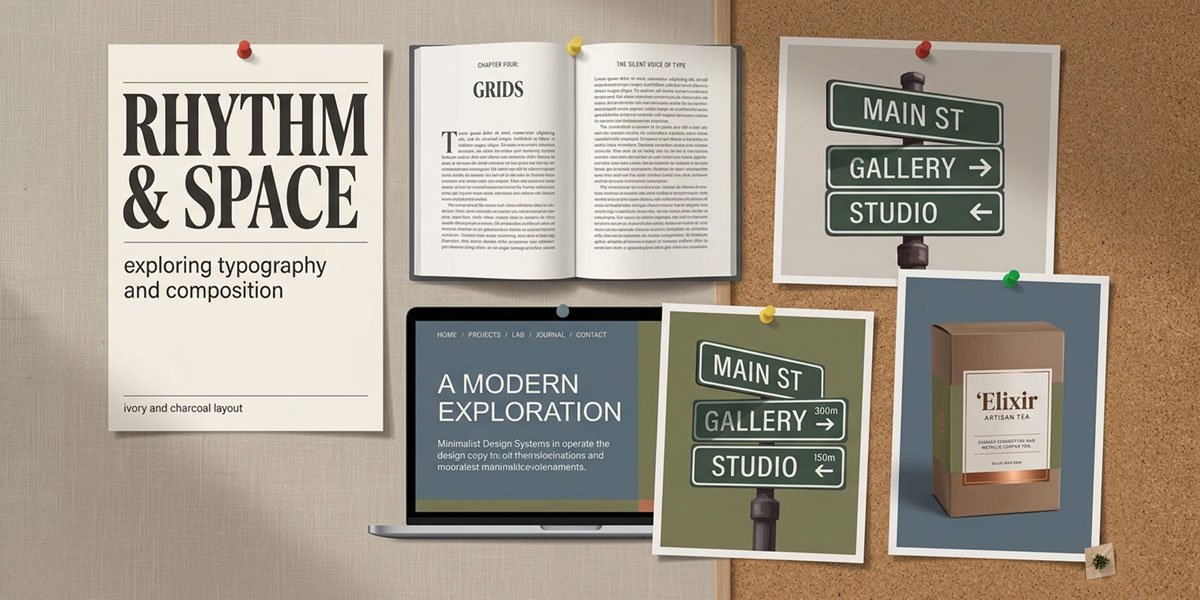
See how typography fundamentals apply in posters, signage, interfaces and more. Explore real‑world typographic practice and learn how to read examples critically.
My name is Lalit Adhikari and we are at LTY. Let’s begin!
Table of Contents
Introduction: From Theory to Typographic Practice
In Part 1, we explored what typography is and how Macrotypography and Microtypography shape every piece of text you design.
In this post, you will see how typography fundamentals come to life in real‑world contexts—from posters and signage to interfaces, campaigns, and data‑driven graphics.
By examining diverse examples, you will start to recognize how designers use type to communicate, organize and create atmosphere, helping you make more intentional choices in your own projects.
Related Topics:
- Type Anatomy: Learn the Language of Letterforms
- Typeface Categories: Serifs, Slabs and Sans Serifs
- How to Choose Typefaces: Selection Principles That Work
Typography as a Connector Across Media
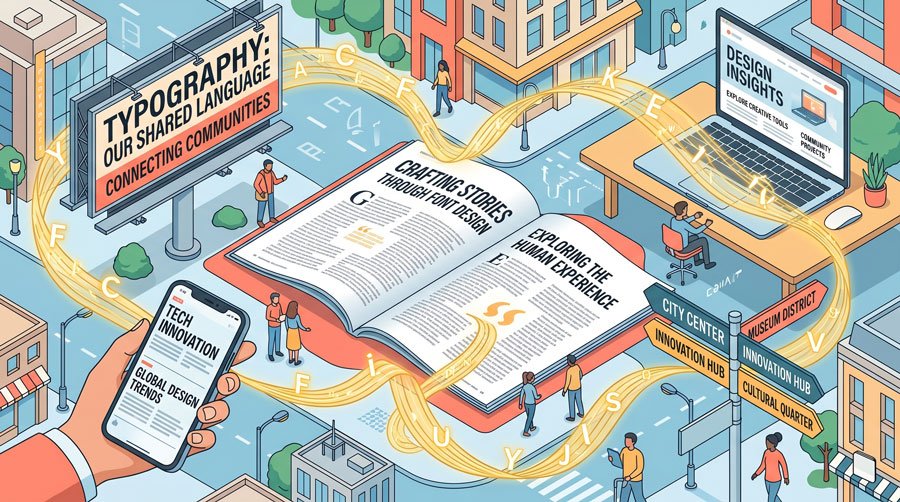
Typography crosses mediums including environments, interfaces, packaging and print, and it will continue to thrive in both digital and physical works to come.
Designers may navigate multiple mediums or specialize in a few, but type is the common thread that connects all of them.
Because text, viewers and contexts differ, typographic solutions must adapt, yet they all rely on the same fundamentals of legibility, hierarchy and appropriate expression.
Related Topics:
- Combining Typefaces and Building Hierarchy
- Spacing, Alignment and the Color of Type
- Baselines, Grids and Advanced Typographic Layouts
Posters and Expressive Typographic Layouts
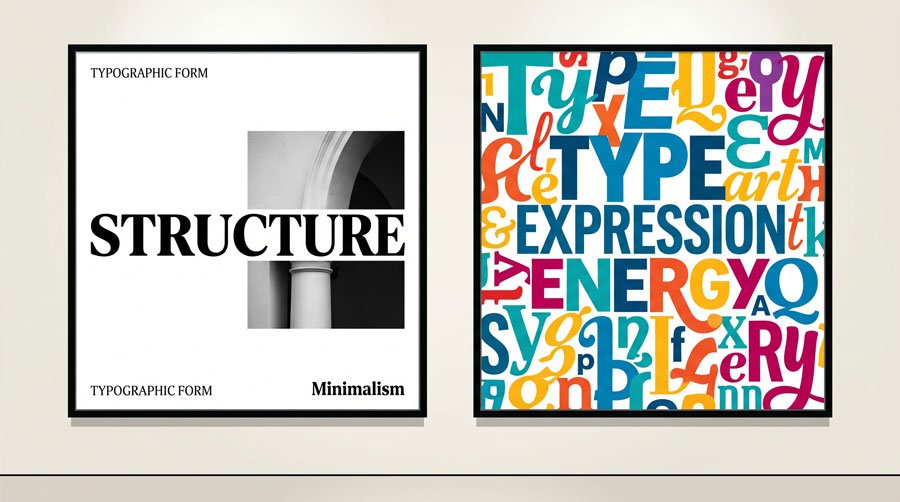
Posters often contain limited but impactful text such as titles, dates and brief descriptions, and they rely on typography to command attention and set tone quickly.
An elegant poster might use limited and striking typography where a typeface like Typonine Stencil contrasts sharply with a photograph, and color and letterform anatomy define alignments and hierarchy.
Other posters turn type into image, using miscellaneous letterforms that interact playfully so the visual structure embodies the subject or concept, while still maintaining readable text in strategic places.
Related Topics:
- Typography Fundamentals: What Typography Really Is
- Typography
- The Psychology of Typography: Font Influence
Environmental Typography and Signage
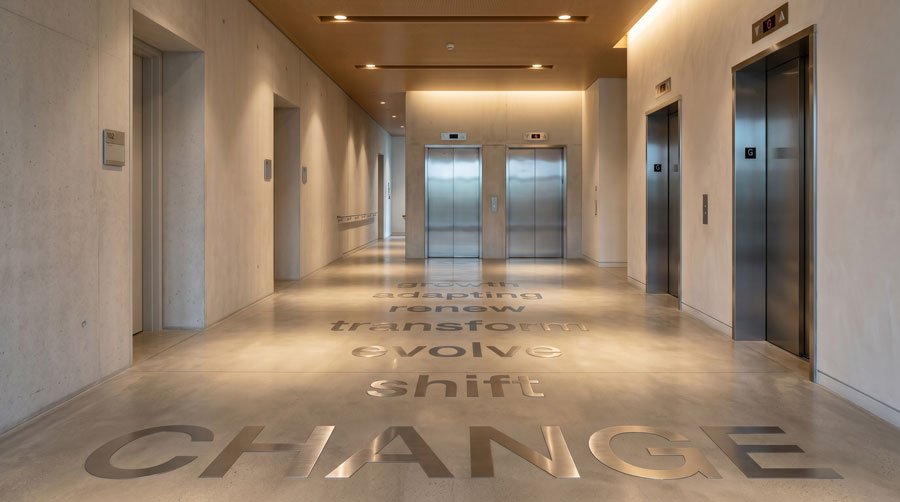
Environmental typography engages physical space, guiding people through buildings and public areas with type applied to walls, floors, and structures.
In a permanent installation at a business school, stainless‑steel letterforms set in Trade Gothic are embedded in stone flooring to spell “change” and related words such as “adapt,” “innovate,” and “transform,” creating a typographic experience people literally walk across.
On each floor, words outside elevator doors link with words inside, forming phrases like “global change” and “manage change,” showing how typographic placement and repetition reinforce conceptual themes.
Related Topics:
- Helvetica Effect: One Font Conquered Global Design
- Comic Sans: True Story Behind the World’s Most Hated Font
- Gotham: Font That Won an Election And Changed Design Forever
Type‑Driven Campaigns and Branding
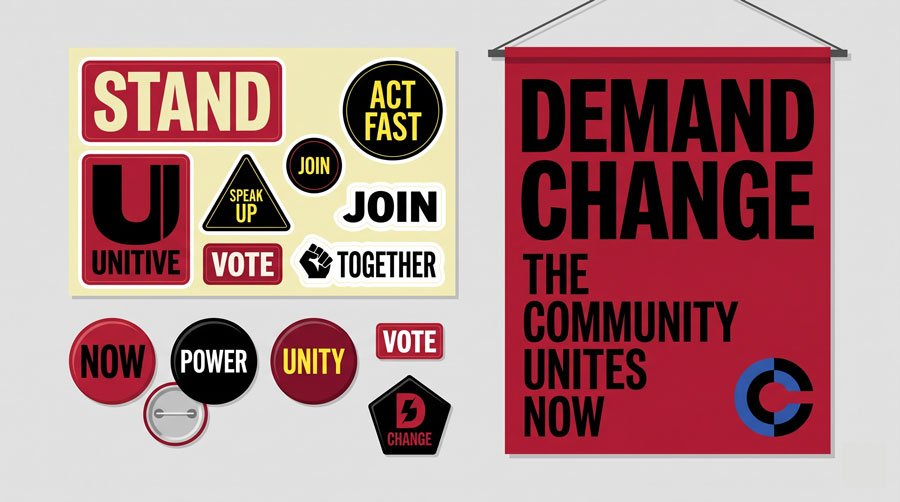
Typography fundamentals also underpin identity, campaigns, and branding systems that stretch across many touchpoints.
In one concept‑driven campaign described as a social design experiment in “subversive positivism,” a consistent system of color and type—combining Helvetica, Trade Gothic, and Dot Matrix—unifies elements from buttons to public spaces while exploring the relationship between medium and message.
Logotypes such as the Ramblas Tapas Bar wordmark set in Augustus can use simple modifications like replacing the counter of an R with a speech bubble to suggest social exchange, while logotypes for companies like Compagnie La Lucette may rely on modified Helvetica capitals to present a solid, durable façade.
Related Topics:
- Futura: The Geometric Vision of Paul Renner
- Gill Sans: Eric Gill’s Humanist Masterpiece
- Baskerville: Elegant Serif That Shaped Print Typography
Type as Image and Constructed Letterforms
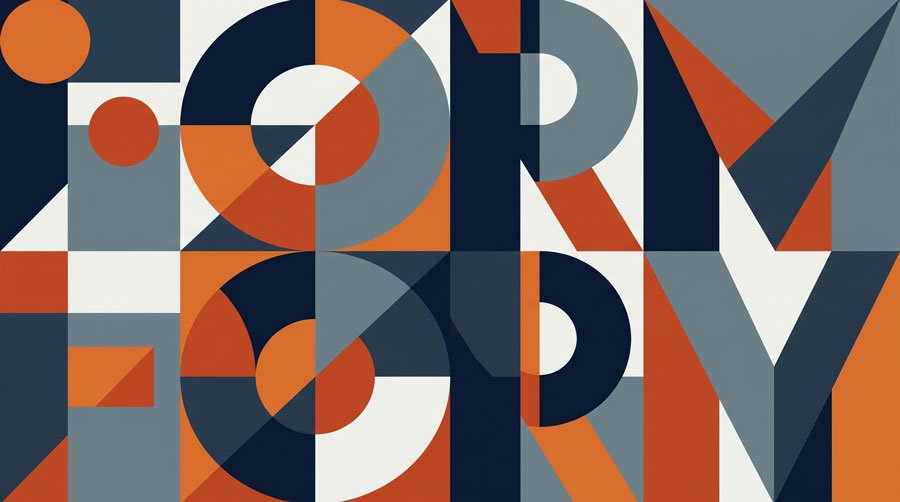
Sometimes type becomes image, where letterforms themselves act as the primary graphic elements. Expressive, illustrated compositions can feature miscellaneous letterforms interacting playfully to create scenes that feel more like illustrations than simple text blocks.
In other cases, constructed letterforms are built from templates in a sans serif face such as Interstate, resulting in graphic letterforms for posters where the underlying typeface provides structure but the final forms function as bold visual shapes.
Related Topics:
- Bodoni Font: Serif That Defined Luxury Typography
- Garamond: Timeless Serif That Defined Classical Typography
- The Worst Fonts in the World: A Typographic Hall of Shame
Type in Publications and Editorial Design
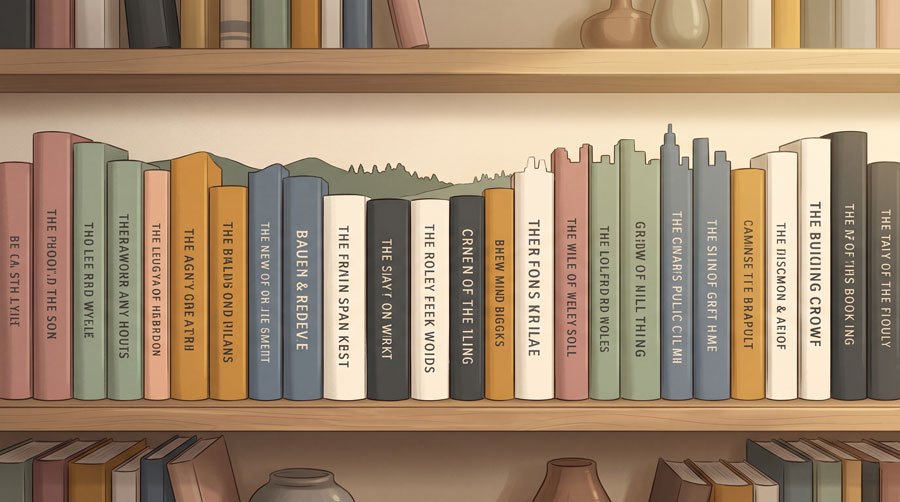
Books and multi‑volume publications are textually rich, with opportunities to apply typography fundamentals in body text, headings, captions, footers and more.
For example, a set of volumes containing thousands of letters by a composer uses a superfamily like Thesis’s TheSans in a range of weights across book spines so that, when placed together, the spines form a landscape inspired by the music.
Such designs show how type size, weight, and alignment across multiple objects can create both readability and a larger visual statement when viewed as a group.
Related Topics:
- Gill Sans and Tube: How Johnston and Gill Defined London
- Baskerville and Eaves: A Tale of Perfection, Passion and Revival
- Futura vs. The World: The Geometric Vision of Paul Renner
Interfaces and Websites with Thoughtful Type
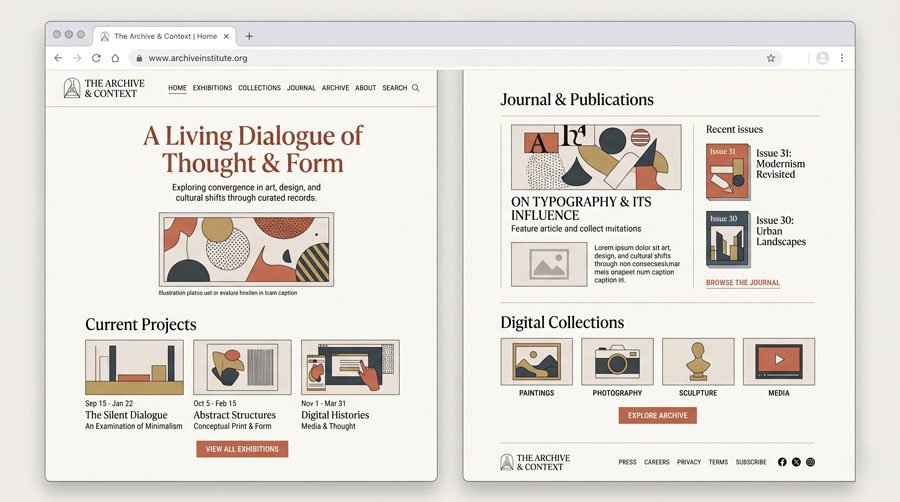
Typographic fundamentals apply directly to interfaces and websites, where hierarchy, readability and structure must adapt to screens.
In one example, a website such as Tinkering Monkey uses an open, accessible layout where main navigation links in the sans serif Underground sit in the header, and uppercase settings plus color clarify the site structure.
Headings and subheads in the serif Rooney Web combine well with Underground, and both typefaces have warm personalities that support a friendly tone while maintaining clear hierarchy between navigation, headings and body text.
Related Topics:
- Legibility vs. Readability: What Every Designer Needs to Know
- Secret Life of Symbols: History of Ampersand and Interrobang
- Helvetica – Swiss Modernism’s Ubiquity Crisis
Data‑Driven and Information‑Rich Typographic Work
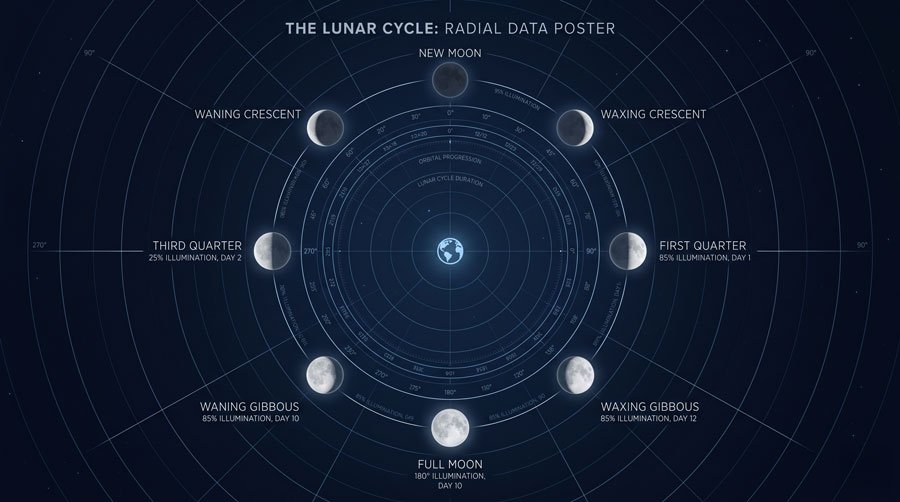
Typography also structures data and complex information.
A data‑driven poster tracking the moon’s cycle and orbit uses a radial structure and deep blue tones, with type in Centennial and Gotham set minimally and elegantly to label key astral events along rays that extend from the center.
Because text is oriented so it remains readable from left to right on horizontal baselines, the design shows how careful typographic orientation can keep information accessible inside a visually rich layout.
Related Topics:
- Comic Sans – Accessibility & Gatekeeping Critique
- Gotham – Political Design & Elections Power
- Futura – Geometric Modernism Revolution
Packaging and Product‑Focused Typography

On packaging, type must convey brand personality and essential information at a glance.
A tequila bottle design, for example, may use a Blackletter serif like Brauhaus Alternate for the brand name to convey confidence, while a versatile sans serif such as Flama delivers supporting information clearly and directly.
Other packages repurpose antique postcards with text set in serif faces like Plantin to preserve a historical look, pairing them with neutral sans serifs such as Helvetica for discreet contact details and a bold color palette to create a contemporary twist.
Related Topics:
- Gill Sans – Humanist Alternative Modernism
- Baskerville – Print Excellence & Love Story
- Bodoni – Theatrical Prestige Aesthetics
Applying Lessons from Real‑World Typographic Practice
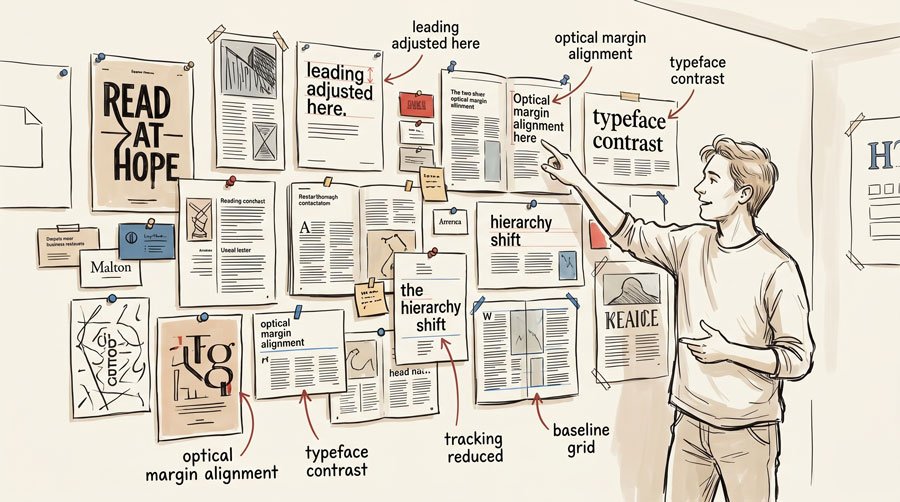
Across all of these examples, typography fundamentals remain consistent: type must support the message, suit the medium, and balance clarity with visual interest.
Designers adjust typefaces, weights, sizes, alignments and spacing to respond to specific contexts, whether they are printing limited‑edition letterpress cards, designing annual reports or building campaign materials.
As you study existing work, look for how each typographic decision—hierarchy, contrast, placement and relationships between typefaces—serves both the practical needs of communication and the broader conceptual goals of the project.
Related Topics:
- Garamond – Classical Foundation Principles
- Worst Fonts – Criticism & Gatekeeping Analysis
- Gill Sans & The Tube – Urban Identity Infrastructure
Conclusion and Next Steps
In this part you saw typography fundamentals applied to posters, environments, interfaces, publications, campaigns, data visualizations, and packaging, all using type to connect content, context, and audience.
Take time to analyze typographic work you encounter, asking how macrotypographic layout and microtypographic detail work together in each case.
In Part 3 of the series, you will dive into the anatomy and terminology of type so you can name what you are seeing and precisely describe the letterform details you want to control in your own designs.
Related Topics:
- Baskerville & Mrs. Eaves – Love, Partnership & Revival
- Futura & Paul Renner – Geometric Vision & Revolution
- Legibility vs. Readability – Typography Fundamentals
About the Author
Lalit M. S. Adhikari is a Digital Nomad and Educator since 2009 in design education, graphic design and animation. He’s taught 500+ students and created 200+ educational articles on design topics. His teaching approach emphasizes clarity, practical application and helping learners.
Learn more about Lalit Adhikari.
We try to keep the guide updated with the latest information about Adobe Tools and Design Best Practices. Lasted Updated: 15th Aug 2026.
Related Topics: