

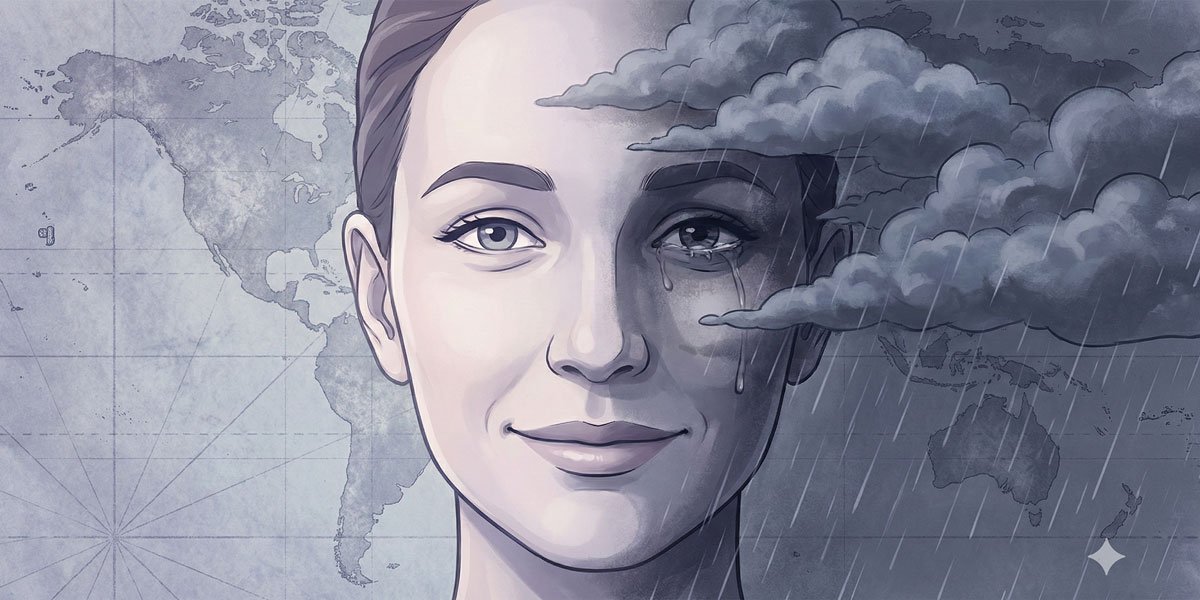
Depression is one of the most tragically misunderstood words in the English language, and that misunderstanding is costing lives. It is not just “feeling sad,” and recognizing the difference is the first step toward real healing.
Learn what depression really is, how it differs from sadness, why it’s a global epidemic and how to fight stigma and support mental health.
Table of Contents
What Depression Really Means
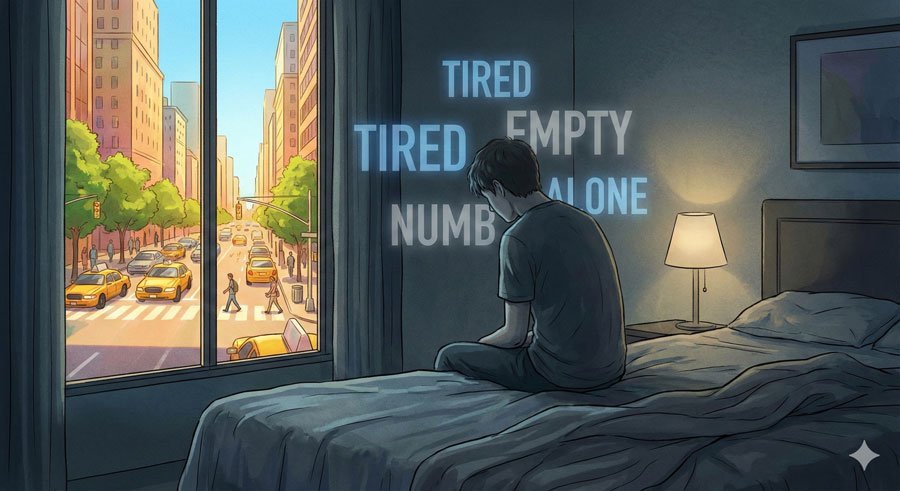
Most people casually use the word “depressed” to describe a bad day or a rough week, but clinical depression goes much deeper than ordinary sadness. It is a persistent state that affects how someone thinks, feels, behaves, and even functions in daily life.
Depression can drain energy, blur concentration, disrupt sleep and appetite, and make even small tasks feel overwhelming, often without any obvious external trigger.
Depression vs. Sadness: Why This Difference Matters

Sadness is a normal emotional response to painful events—such as a breakup, the loss of a loved one, or missing out on a dream job. It usually has a clear cause and tends to ease with time, support, and self-care.
Real depression, however, can make someone feel profoundly sad, empty, or hopeless even when life appears “fine” on the surface—good job, stable relationships, no visible crisis. That mismatch between outer life and inner reality is what makes depression so confusing and invisible to others.
Related Topics:
- How to Master Body Language: 5 Techniques to Boost Confidence & Presence
- Innovation in Entrepreneurship: How Creative Thinking Drives Business Success
- Healing After Heartbreak: Turn a Broken Heart Into Strength
The Global Scale of the Depression Epidemic

Depression is not a rare condition—it is a global public health crisis. Millions of people worldwide live with depression, cutting across age, gender, culture and income level.
Depression is now one of the leading causes of disability worldwide and contributes significantly to lost workdays, reduced productivity, and poorer physical health outcomes across countries.
Depression and Suicide: The Most Painful Outcome

Depression is strongly linked to suicide; people living with untreated or severe depression face a much higher risk of self-harm and suicidal thoughts.
Every life lost is a powerful reminder that depression is not just a mood—it can be a life-threatening illness when left unrecognized and untreated.
Related Topics:
How Stigma Keeps People Suffering in Silence

When someone breaks an arm, people rush to sign the cast, offer help, and show concern. But when someone says, “I’m depressed,” many don’t know how to respond—or even turn away. This reaction is stigma in action.
Stigma around mental health comes from prejudice, misinformation, and fear, and it leads to discrimination in workplaces, communities and even healthcare systems.
Public Stigma and Self-Stigma
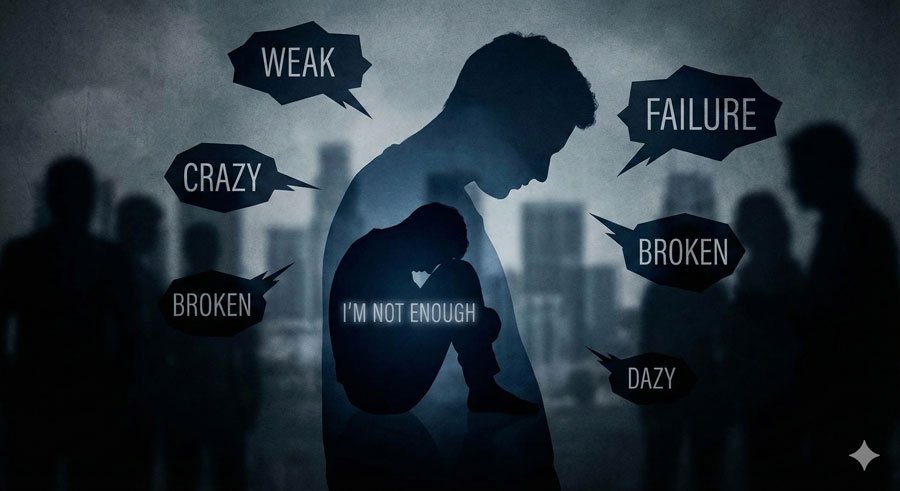
Public stigma includes the negative labels and stereotypes society attaches to people with mental illness—like “weak,” “unstable,” or “attention-seeking.”
Over time, people start internalizing those messages, leading to self-stigma: they feel ashamed of their condition, doubt their worth, and may decide they don’t deserve help or support.
The Hidden Cost of Keeping Depression a Secret

Keeping depression a secret often feels safer than opening up, but secrecy comes with a heavy cost. Hiding deep emotional pain can amplify stress, isolation, and hopelessness, making symptoms worse over time.
Many people filter their stories, fake smiles, and carefully hide their struggles just to avoid judgment, which increases loneliness and delays life-saving treatment.
When Silence Hurts the Body Too
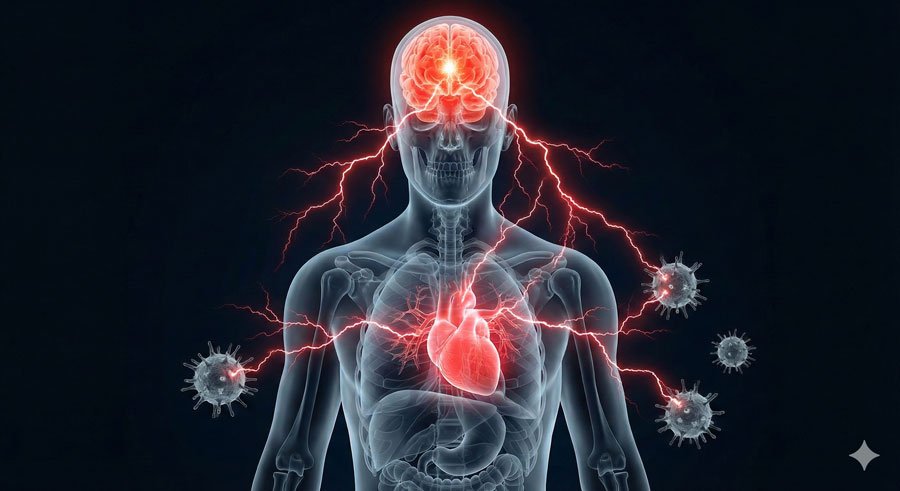
Chronic emotional stress is known to affect the body by elevating stress hormones like cortisol, which over time can weaken the immune system, affect blood pressure, and negatively impact brain health.
When depression remains unspoken and untreated, that internal stress can quietly influence both mental and physical health, increasing the risk of worse outcomes and slower recovery.
Why Depression May Be Rising Across Generations

Modern research suggests that a significant share of people will experience major depression at some point in their lives. Younger generations, in particular, are reporting higher levels of stress, anxiety, and depressive symptoms than many older groups.
Rising academic pressure, economic uncertainty, social media comparison, and fragmented communities all contribute to a world where mental strain has become a daily reality for many.
The Role of Lifestyle and Environment

Lifestyle, daily habits and surroundings can either support or strain mental health. Chronic overwork, lack of sleep, constant digital noise and unsupportive relationships can all increase vulnerability to depressive episodes.
On the other hand, nurturing routines, meaningful connections, physical activity and psychologically safe environments can help buffer against depression and support recovery.
Facing Depression Instead of Procrastinating

Hoping that depression will “just go away” is a form of wishful thinking—and wishful thinking is a subtle form of procrastination when it comes to mental health. Ignoring the problem delays healing and allows symptoms to deepen over time.
Recognizing there is a problem is the essential first step. Only then can someone move from avoidance to action—whether that means seeking therapy, talking to a trusted person, or changing harmful patterns.
Speaking Up and Shattering the Silence

Real change begins when people living with depression feel safe enough to speak. Honest stories challenge stereotypes, humanize the struggle and show that recovery is possible.
Listening with empathy—without rushing to “fix” someone or dismiss their feelings—is one of the most powerful ways to support a person who is suffering.
Building a World That Accepts Mental Health Struggles
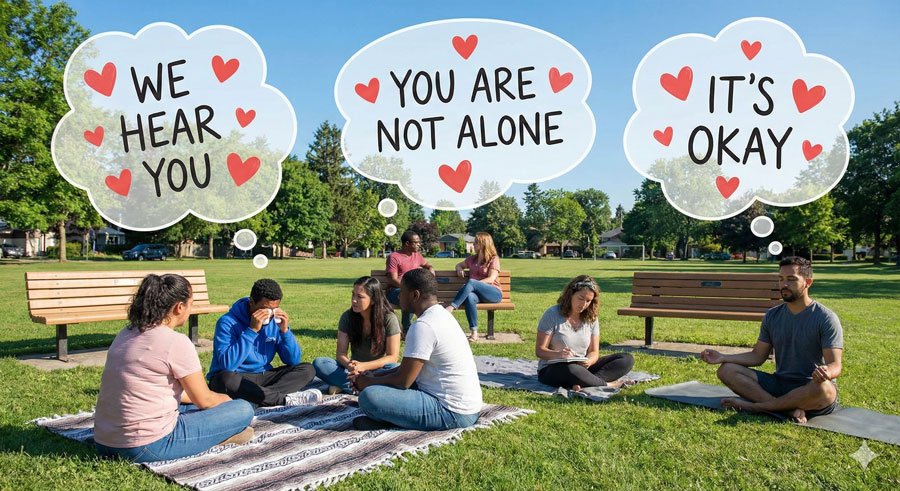
The ultimate goal is not just to eliminate ignorance; it is to build a culture where people can accept themselves as they are—even when they are not okay. Everyone struggles in some way and depression is simply one of the more invisible forms of human pain.
When communities normalize conversations about mental health, more people seek help earlier, outcomes improve and lives are saved.
From Band-Aids to Real Healing

Right now, society often treats depression like a deep emotional wound covered by a superficial band-aid—quick advice, toxic positivity or “just think positive” slogans. These approaches rarely reach the root of the pain.
Genuine healing involves time, compassion, professional support and structural changes in how work, education and relationships are designed to respect mental health.
Small, Practical Steps to Support Your Mental Health

Depression is complex, and there is no one-size-fits-all solution—but small, consistent steps can make a real difference over time. Notice what makes you feel more alive versus what drains you and gradually re-orient your life toward the former.
Protective habits often include quality sleep, gentle movement, meaningful social connection, creative expression, time in nature and professional therapy when needed.
Becoming More Assertive and In Control of Your Life

Part of healing is learning to set boundaries with people, environments and behaviours that consistently make you feel small, unsafe or unworthy. Saying “no” to what harms you creates space to say “yes” to what heals you.
Developing self-acceptance and assertiveness helps reclaim a sense of control, even in the presence of vulnerability to depression.
Standing Together Against Depression

Depression may always exist but suffering alone does not have to be the norm. Each act of kindness, each honest conversation and each effort to challenge stigma helps build a safer world for those who struggle.
By standing together in unity and hope—supporting ourselves and others—we can face this global epidemic head-on and move toward a future where reaching out for help is seen as strength, not shame.
About the Author
Lalit M. S. Adhikari is a Digital Nomad and Educator since 2009 in design education, graphic design and animation. He’s taught 500+ students and created 200+ educational articles on design topics. His teaching approach emphasizes clarity, practical application and helping learners.
Learn more about Lalit Adhikari.
This guide is regularly updated with the latest information about Adobe tools and design best practices. Last Updated: Mar 2026