

Learn the three critical areas for breaking into product design: mastering your craft and understanding your audience. Complete guide with actionable strategies.
Table of Contents
Introduction: The Three Pillars of Transitioning Into Product Design
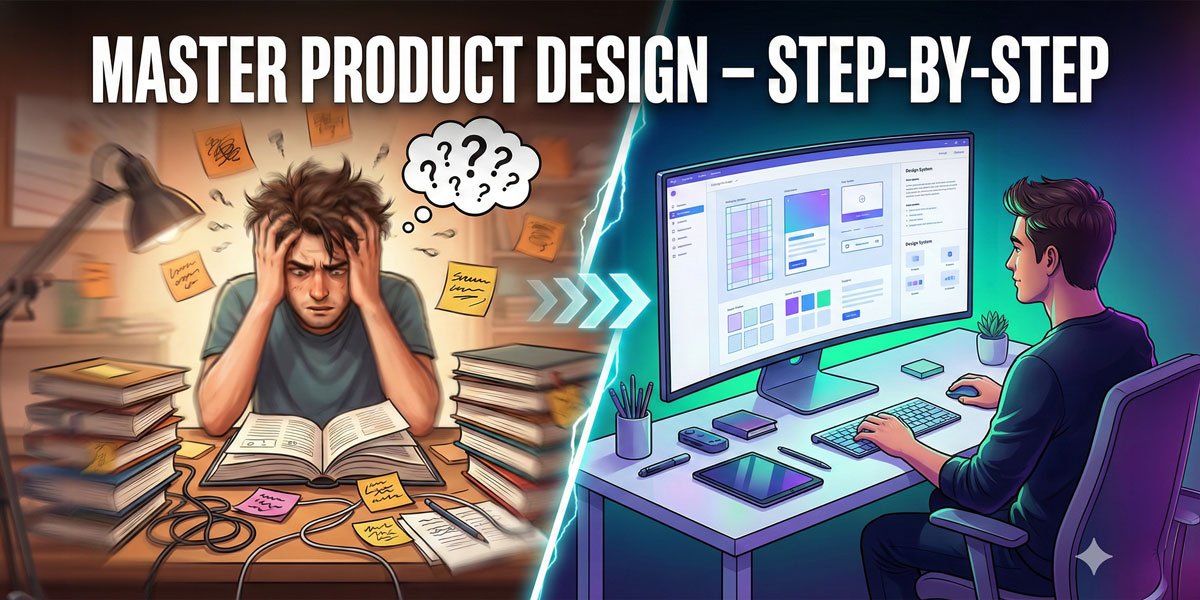
You’ve decided you want to become a product designer. You’ve researched the industry, understood the landscape, and now you’re ready to take action.
But where do you start? How do you make the actual transition and carve out a meaningful space for yourself in this competitive industry?
The answer lies in three interconnected areas that must work together: mastering your craft, gaining clarity around yourself, and defining your audience.
This article focuses on the first and most foundational area—mastering your craft—which involves learning new skills, improving existing ones, and building a deep understanding of the disciplines that make up product design.
Related Topics:
- Defining Yourself: Crafting Your Unique Value Proposition as a Product Designer
- Understanding Your Audience: Strategic Positioning for Product Design Success
- The Ultimate Guide to Becoming a Product Designer: Your Complete Career Roadmap
Master Your Craft: The Foundation of Your Design Career
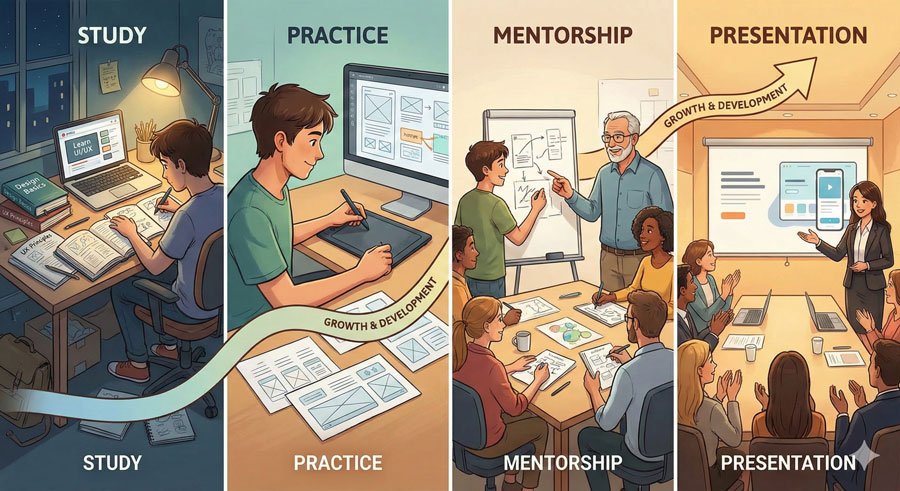
Mastering your craft is not a destination—it’s an ongoing process of learning new skills, refining existing ones, and constantly evolving your abilities as a designer.
The product design field is multifaceted, and no designer knows everything. What matters is developing a systematic approach to learning and improvement.
Step 1: Assess Your Skill Level and Choose Your Mode of Study
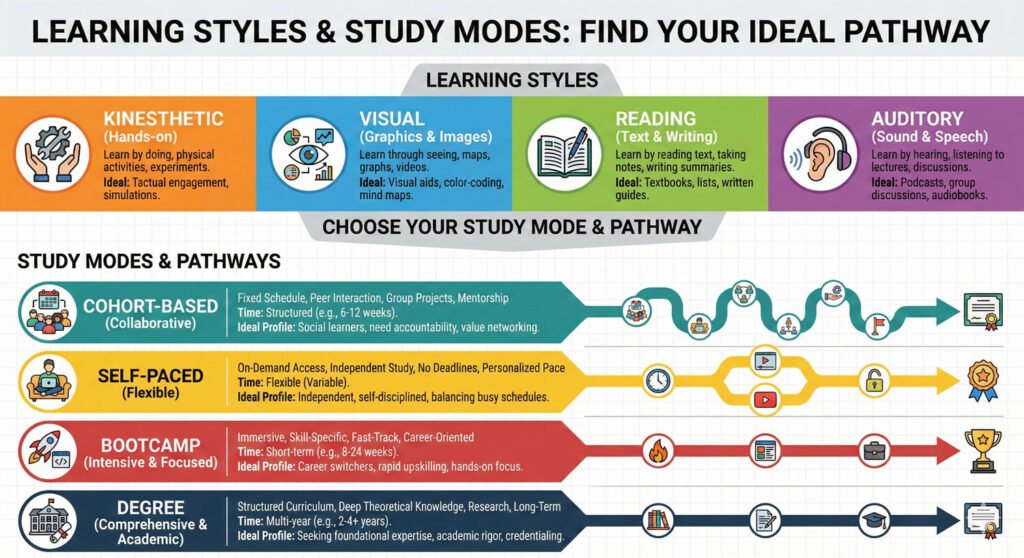
Before jumping into learning, you need to understand how you learn best. Everyone has different learning styles, and recognizing yours will accelerate your progress and keep you motivated.
Different Learning Styles:
- Kinesthetic Learners – You learn best by doing. Hands-on projects, interactive tools, and real-world application are your strengths.
- Visual Learners – You absorb information best through videos, diagrams, illustrations, and visual demonstrations.
- Reading/Writing Learners – You prefer articles, books, documentation, and written explanations.
- Auditory Learners – You benefit from podcasts, lectures, conversations, and verbal explanations.
Most designers benefit from a mixed approach, but identifying where you excel helps you build an efficient learning system.
Assessment Questions to Ask Yourself:
- What skills do you already possess? Are you coming from a design background, or are you transitioning from another field?
- Where are your blind spots? What areas of design do you find most challenging?
- How much time can you dedicate to learning? Do you have the flexibility for full-time cohort-based programs, or do you need self-paced learning around work and family commitments?
Choosing Your Study Path:
- Cohort-Based Programs – Accelerated learning with deadlines, community support, and structured curriculum. Best if you can commit 40+ hours per week.
- Self-Paced Online Courses – Flexibility to learn around your schedule. Best if you’re working full-time or have other commitments.
- Bootcamps – Intensive, focused programs that combine learning with project work. Best if you want rapid career transition.
- Degree Programs – Comprehensive academic training. Best if you want deep theoretical knowledge alongside practical skills.
- Hybrid Approach – Combine free resources with paid courses. Most cost-effective for the self-directed learner.
Step 2: Find Guidance You Trust
Learning in isolation is difficult. Finding trusted guidance—whether from practitioners, mentors, instructors, or professionals you admire—can dramatically accelerate your growth and provide clarity when you’re confused.
Types of Guidance to Seek
- Mentors – Experienced designers who guide your development, provide feedback, and help you navigate challenges
- Instructors – Educators who teach structured curriculum and formal design education
- Practitioners – Working designers whose work you admire, whose content you study, and from whom you learn through their case studies and documentation
- Communities – Design communities, study groups, and professional networks where you can learn from peers
Choosing the Right Guide
When seeking guidance, prioritize finding individuals who:
- Align with your values and aspirations
- Encourage and support who you are while pushing you to grow
- Are actively working in areas that interest you
- Have a teaching philosophy that resonates with your learning style
- Demonstrate the kind of career or impact you want to create
Don’t be passive in this relationship. Actively seek out wisdom, ask thoughtful questions, and absorb everything you can learn from them.
Step 3: Make Sure You Have Solid Foundations
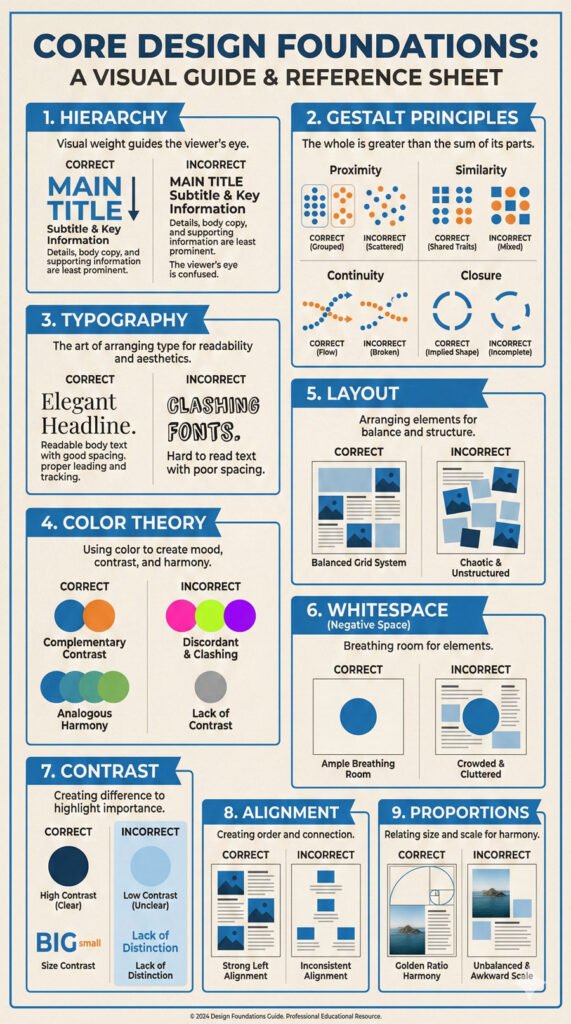
Many self-taught or fast-tracked designers skip or glaze over fundamental design principles. This is a critical mistake that limits your growth ceiling.
Core Design Foundations You Must Master
- Hierarchy – Understanding how to organize information so the most important elements are perceived first
- Gestalt Principles – How humans naturally perceive and organize visual elements
- Typography – The art and science of typeface selection, sizing, spacing, and arrangement
- Color Theory – How colors interact, the psychology of color, and how to create effective color systems
- Layout and Composition – How to arrange elements on a canvas to guide user attention
- Whitespace – The strategic use of empty space to create balance and focus
- Contrast – How to use differences to create visual interest and hierarchy
- Alignment – Organizing elements for visual coherence and professionalism
- Proportions and Ratios – Creating balanced, aesthetically pleasing relationships between elements
If you’re uncertain about any of these fundamentals, go back and dial them in. Spend time with design books, take focused courses, and practice applying these principles to real work.
Strong foundations are like concrete in a building—everything else is built on top of them.
Step 4: Apply Them to Projects
Learning theory is important, but application is where real learning happens. You must design products from start to finish, going through all the layers of the product design model we discussed in the previous article.
Why Full Product Projects Matter:
- They help you see your strengths and weaknesses more clearly
- They give you real portfolio work that demonstrates your capabilities
- They teach you about dependencies and how different layers connect
- They simulate real-world constraints and decision-making
Project Types to Include in Your Portfolio:
- At least one end-to-end product design project (from strategy through visual design)
- Projects that showcase different product stages (early, mid, late-stage challenges)
- Projects that demonstrate different product types (SaaS, mobile, marketplace, etc.)
- At least one project from an industry you want to work in
The goal isn’t to have dozens of projects—quality far exceeds quantity. Better to have three deeply considered, well-documented projects than ten shallow ones.
Step 5: Practice the Skills You’re Weaker In
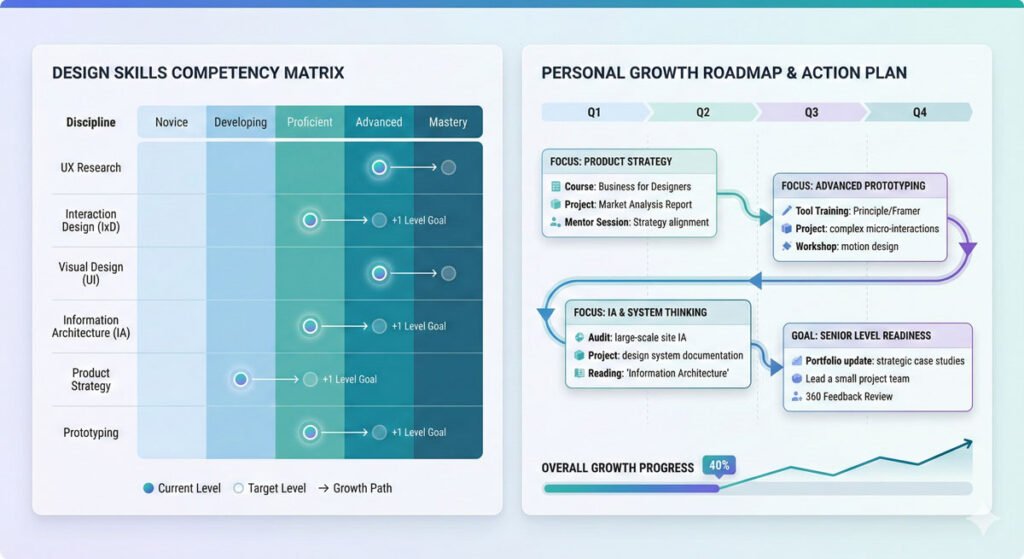
Here’s the truth: most designers avoid working on things they’re not good at. If you struggle with user research, you’ll naturally gravitate toward visual design. If interaction design intimidates you, you’ll focus on information architecture.
This is the opposite of what you should do.
Identify your skill gaps and put the majority of your learning time into those areas. This might feel uncomfortable, but discomfort is where growth happens.
After all, you already know how to do the things you’re good at—practicing them more won’t accelerate your development as much as addressing your weaknesses.
Create a personal skill audit:
- List all the major disciplines in product design
- Rate yourself in each from 1 (beginner) to 5 (expert)
- Identify your three weakest areas
- Create targeted learning plans for each
- Build projects specifically to practice these skills
Step 6: Add New Skills as You Go
The product design field is constantly evolving. New tools emerge, methodologies change, and user expectations shift. The learning never stops.
Continuous Learning Strategies:
- Follow industry leaders and designers doing work you admire
- Subscribe to design newsletters and publications
- Listen to design podcasts during commute time
- Take one small course or tutorial per month on a new skill
- Attend design conferences and webinars
- Read case studies of products you use and admire
- Join professional communities like AIGA, IxDA, or local design meetups
The key is consistency over intensity. Learning a little bit regularly is far more effective than cramming knowledge in sporadic bursts. You don’t have to do it all at once—much of your development will come naturally with practice and time.
The Disciplines of Product Design: What You Need to Learn
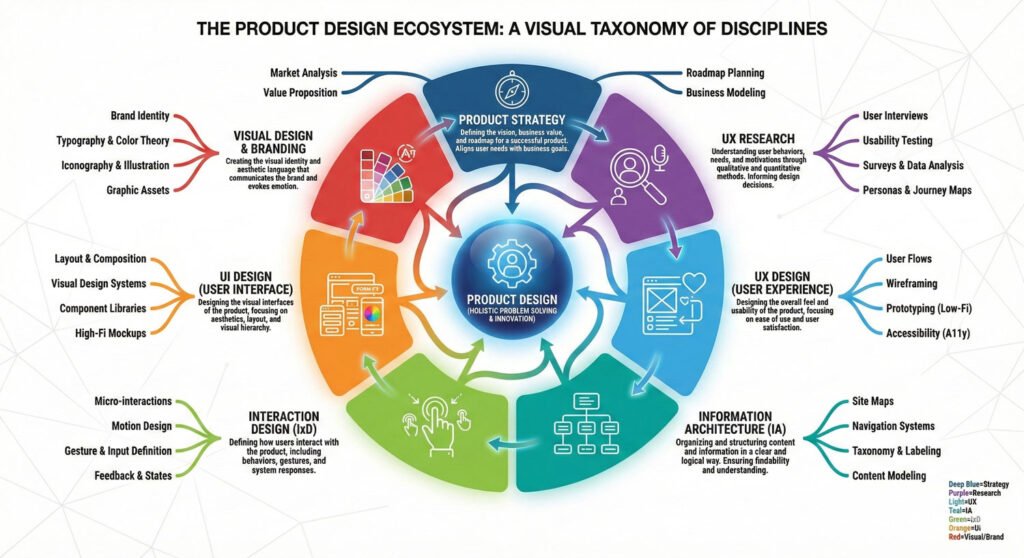
Now that you understand the meta-approach to learning, let’s explore the specific disciplines within product design that you need to master.
Core Disciplines in Product Design
1. User Experience Research (UXR)
Understanding users through research is the foundation of all good design. UX researchers use various methodologies to understand user behavior, needs, pain points, and mental models.
2. User Experience Design (UXD)
This encompasses the overall strategy and planning of how users interact with your product. UX designers focus on user flows, journey mapping, and the overall experience structure.
3. Visual Design and Branding
Visual designers create the aesthetic direction, visual systems, and brand identity that make products distinctive and memorable.
4. User Interface Design (UI)
UI designers focus on the specific screens, elements, and components that users interact with. They ensure clarity, consistency, and usability across all touchpoints.
5. Interaction Design (IxD)
Interaction designers define how the product responds to user actions—animations, transitions, feedback, and the dynamic behavior of interactive elements.
6. Information Architecture (IA)
Information architects organize and structure content and features in ways that make intuitive sense to users. They create sitemaps, taxonomies, and content hierarchies.
7. Product Strategy
Product strategists align design decisions with business goals. They understand market positioning, competitive landscapes and how design contributes to business success.
Key Deliverables You’ll Produce
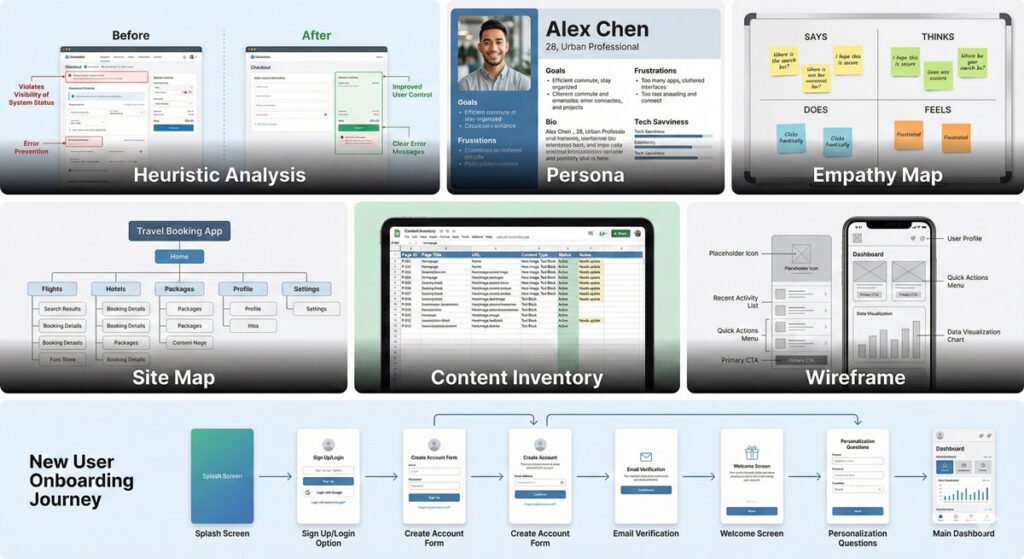
As you work through projects and practice these disciplines, you’ll create specific deliverables that become part of your portfolio and demonstrate your capabilities:
Common Deliverables Include:
- Heuristic Analysis – Systematic evaluation of designs against established usability principles
- Personas – Detailed profiles representing different user types and segments
- Empathy Maps – Structured representations of user goals, emotions, behaviors, and pain points
- Site Maps – Hierarchical diagrams showing how content and features are organized
- Content Inventory – Comprehensive lists of all content and features in a product
- Wireframes – Low-fidelity layouts showing structure and content without visual design
- User Flows – Diagrams showing the paths users take to accomplish goals
Mastering the creation of these deliverables is essential because they’re how you communicate your thinking, document decisions, and demonstrate your process to employers and clients.
Methodologies: How Professional Designers Work
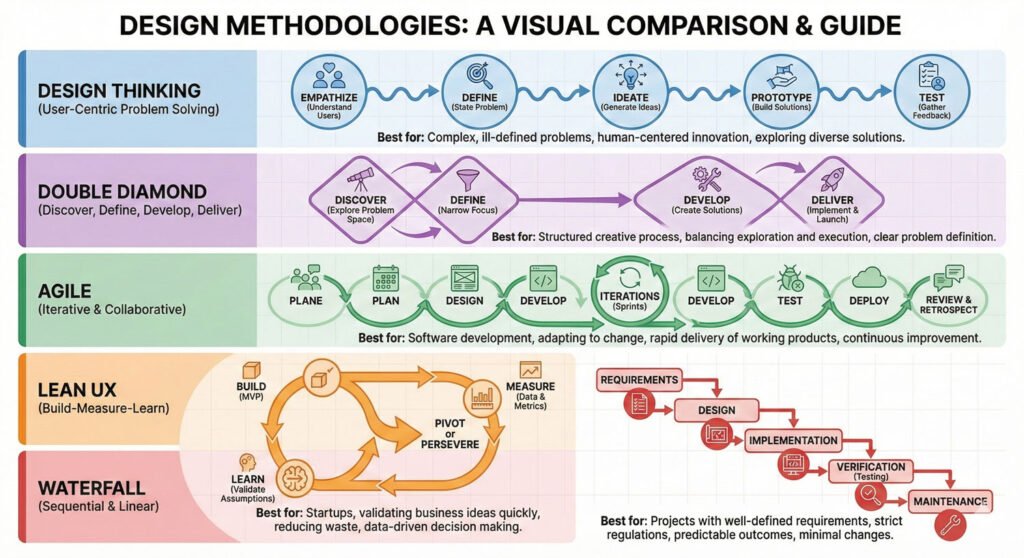
Beyond disciplines and deliverables, you need to understand the methodologies and processes that professional designers use to approach their work efficiently and systematically.
Design Thinking – The most common methodology for user-centered designers, consisting of five phases: Empathize, Define, Ideate, Prototype, and Test. This iterative cycle helps designers understand problems deeply and test solutions quickly.
Double Diamond – A four-phase model emphasizing exploration and narrowing: Discover, Define, Develop, and Deliver.
Agile – An iterative development methodology emphasizing flexibility, collaboration, and frequent feedback cycles.
Sprint Methodology – Time-boxed, intensive work periods focused on achieving specific goals.
Lean – An approach emphasizing building minimum viable products quickly and learning from user feedback.
Waterfall – A sequential approach where each phase is completed before moving to the next. Less common in design but still used in some organizations.
Understanding these methodologies helps you understand different organizational approaches to product development and allows you to adapt your process based on the context you’re working in.
The Often-Overlooked Dimension: Soft Skills
While hard skills (design tools, methodologies, disciplines) are important, soft skills often determine whether you thrive or merely survive in product design.
Critical Soft Skills for Product Designers:
- Mindfulness – Working with awareness and intention about what you’re doing and why
- Inclusion – Actively considering diverse perspectives, abilities, and backgrounds
- Diversity – Valuing and incorporating different viewpoints and experiences
- Cultural Sensitivity – Understanding and respecting cultural differences in how people use products
- Accessibility – Designing for people with disabilities and different abilities
- Cognitive Bias Awareness – Recognizing how your own biases influence design decisions
- Psychology – Understanding human behavior, motivation, and decision-making
- Communication – Articulating your design thinking clearly to stakeholders and teams
- Presentation Skills – Effectively showcasing your work and selling your design decisions
These soft skills are often what differentiate good designers from great ones. A designer with strong soft skills can influence organization culture, make better decisions, and create more inclusive products.
Ethical Considerations in Product Design
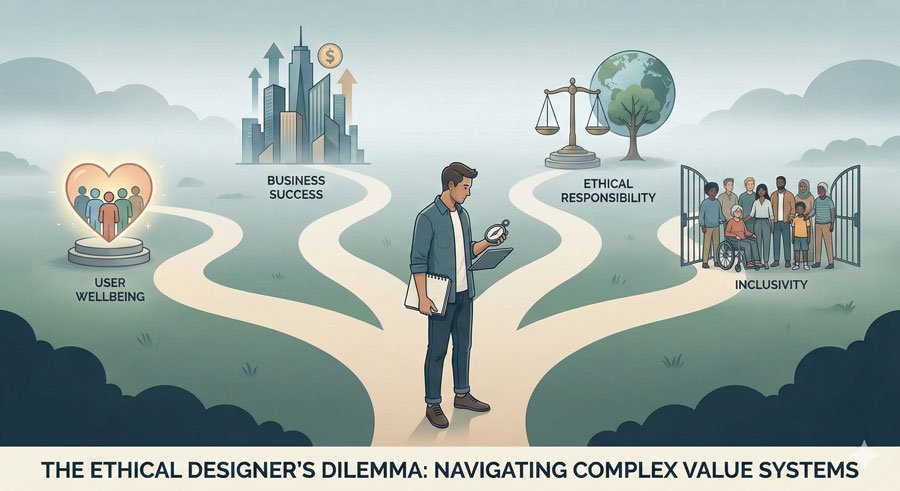
At the heart of DesignerUp’s philosophy is mindful design and ethical practice. As you build your career, you’ll face decisions where there’s no clear “right” answer.
Questions You’ll Face:
- Do we sell user data to keep our business afloat, or do we make difficult business changes?
- Do we prioritize profit or progress in our product decisions?
- How do we balance business goals with user well-being?
- What are we willing to compromise on, and what are we willing to turn a blind eye to?
These aren’t just philosophical questions—they directly impact the products you design and their effect on millions of people. As you develop your craft, also develop your ethical framework and your understanding of what kind of designer you want to be.
Conclusion: Mastering Your Craft is a Journey, Not a Destination
Mastering your craft in product design isn’t something you check off a list—it’s an ongoing commitment to learning, improving, and evolving throughout your career.
By following these six steps systematically, you’re not just acquiring skills; you’re building the foundation for a sustainable, fulfilling design career. The designers who thrive are those who:
- Understand their learning style and create systems that work for them
- Seek out trusted guidance and mentorship
- Build strong foundational knowledge
- Apply learning to real projects
- Consistently work on their weaknesses
- Never stop learning and evolving
In the next article of this series, we’ll move to the second critical area: Defining Yourself.
You’ll learn how to take everything you’ve learned about your craft and combine it with your unique background, values, and perspective to create a distinctive position in the market.
About the Author
Lalit M. S. Adhikari is a Digital Nomad and Educator since 2009 in design education, graphic design and animation. He’s taught 500+ students and created 200+ educational articles on design topics. His teaching approach emphasizes clarity, practical application and helping learners.
Learn more about Lalit Adhikari.
This guide is regularly updated with the latest information about Adobe tools and design best practices. Last Updated: Mar 2026