


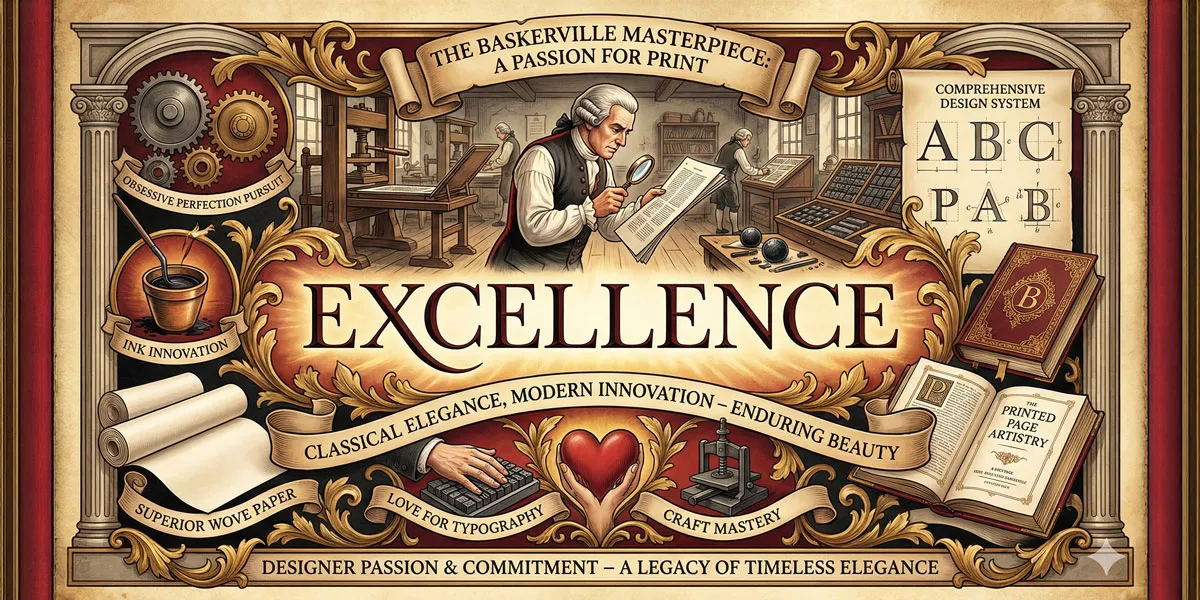
Discover Baskerville’s revolutionary approach to serif typography, its unmatched print excellence, and the fascinating story of its designer John Baskerville’s passionate pursuit of typographic perfection.
My name is Lalit Adhikari and we are at LTY. Let’s begin!
Table of Contents
Introduction: The Typeface Born from Passion
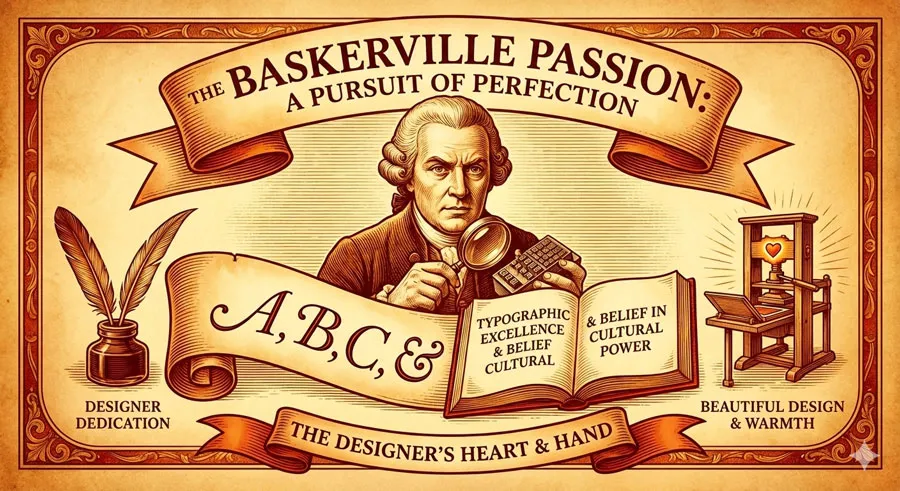
Few typefaces embody passion and excellence as completely as Baskerville. Designed by John Baskerville in the mid-eighteenth century, Baskerville represents more than typographic achievement.
The typeface reflects designer’s obsessive pursuit of perfection, passionate commitment to excellence, and belief that typography could elevate human civilization.
John Baskerville was printer, type designer, and visionary who revolutionized printing and typography. Baskerville devoted his life to creating perfect typeface and perfect printed page.
His work embodied belief that typography mattered profoundly—that beautiful type and elegant printing could inspire people and elevate culture.
Baskerville’s approach was revolutionary. While most designers accepted existing standards, Baskerville questioned everything. He redesigned the typeface, innovated printing processes, developed superior paper, and revolutionized ink formulation. Every aspect of his printed page received meticulous attention.
The result was unprecedented print excellence. Baskerville’s printed books were masterpieces of typography and design. The typeface combined clarity with elegance, precision with warmth. Baskerville books were not merely functionally excellent but visually sublime.
Baskerville represents something profoundly important about design: the connection between passion and excellence. Baskerville did not merely design typeface; he pursued typographic perfection with obsessive commitment. This passion created excellence.
The Baskerville story is also love story—story of designer’s love for craft, love for typography, love for beauty. Baskerville’s life demonstrates that great design emerges from passion and commitment to excellence.
This comprehensive exploration examines John Baskerville’s life and design philosophy, traces Baskerville typeface’s revolutionary characteristics, analyses the typeface’s impact on print design and typography, considers the cultural significance of Baskerville’s pursuit of excellence, explores Baskerville’s influence and legacy, and ultimately asks:
- What does Baskerville reveal about passion, excellence, and the enduring power of beautiful typography?
Related Topics:
John Baskerville: Printer, Visionary, and Perfectionist
Early Life and Design Philosophy
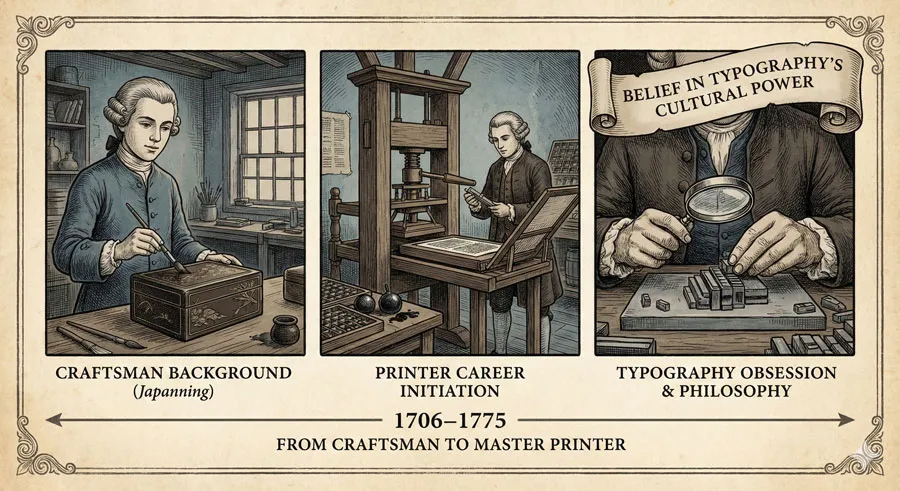
John Baskerville was born in 1706 and began career as craftsman and printer. Baskerville became obsessed with typography and printing, believing typography could express human excellence and elevate civilization.
Baskerville developed distinctive philosophy emphasizing perfection, innovation, and beauty. He believed typography was not merely utilitarian but capable of expressing profound cultural values.
Commitment to Typographic Excellence
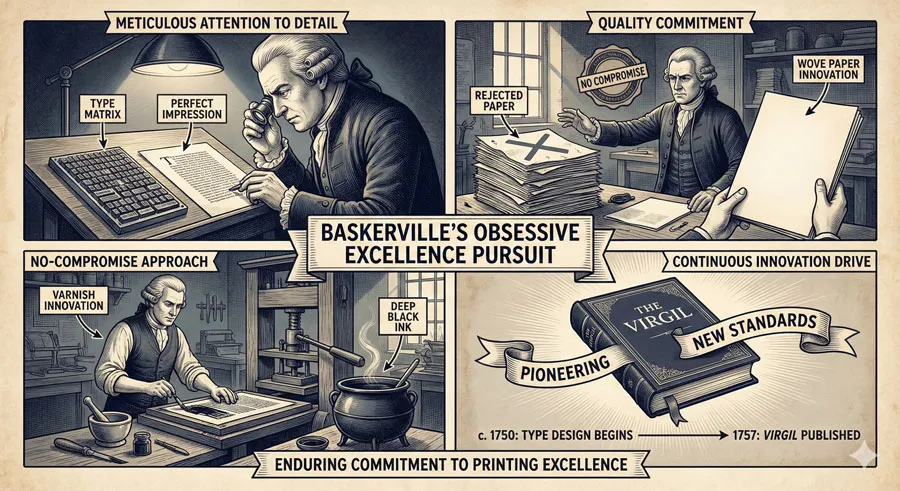
Baskerville devoted entire career to pursuit of typographic perfection. He did not compromise or accept existing standards. Every aspect of printing—typeface, paper, ink, composition—received meticulous attention.
This obsessive commitment to excellence drove all Baskerville’s work. He redesigned typeface multiple times seeking perfection. He developed superior papers and innovative inks. He revolutionized printing processes.
Innovation and Experimentation
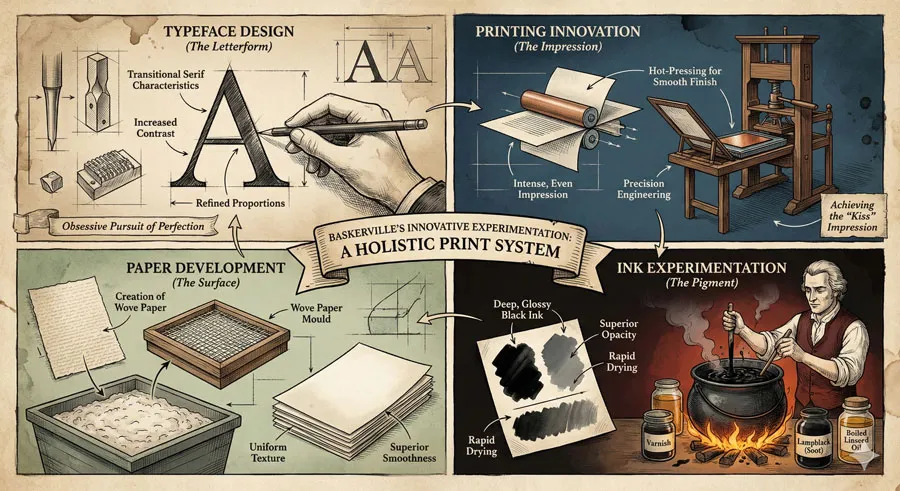
Baskerville was innovative experimenter constantly questioning existing practices. He developed new typefaces, experimented with printing techniques, and created innovative paper compositions.
This experimental approach enabled Baskerville to achieve unprecedented print quality.
The Printed Page as Art Form
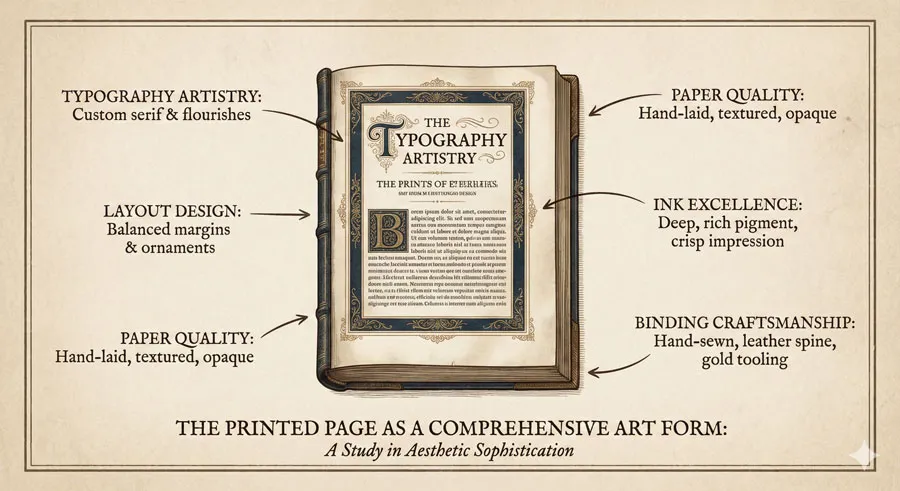
Baskerville believed printed page was art form worthy of serious artistic attention. Every element—typography, layout, paper, ink—required careful design consideration.
Baskerville’s books were comprehensive design statements expressing philosophy of print excellence.
Related Topics:
Baskerville Typeface: Revolutionary Serif Design
Design Principles and Innovation
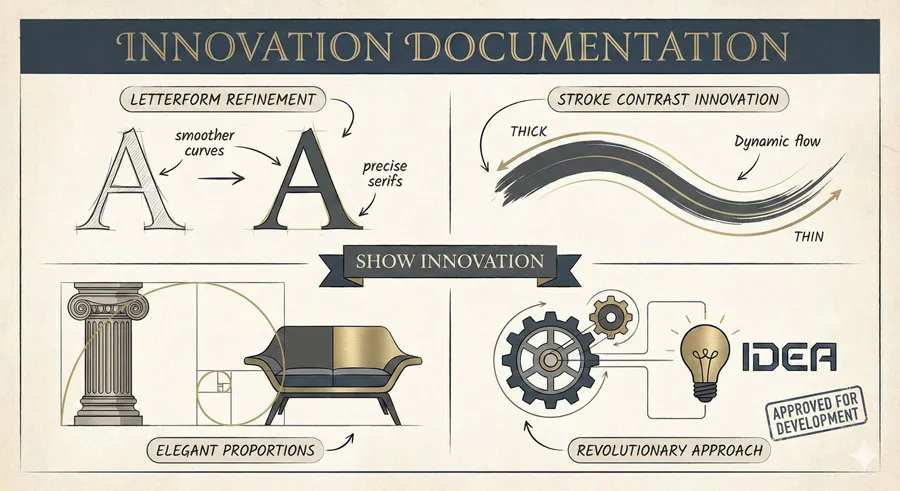
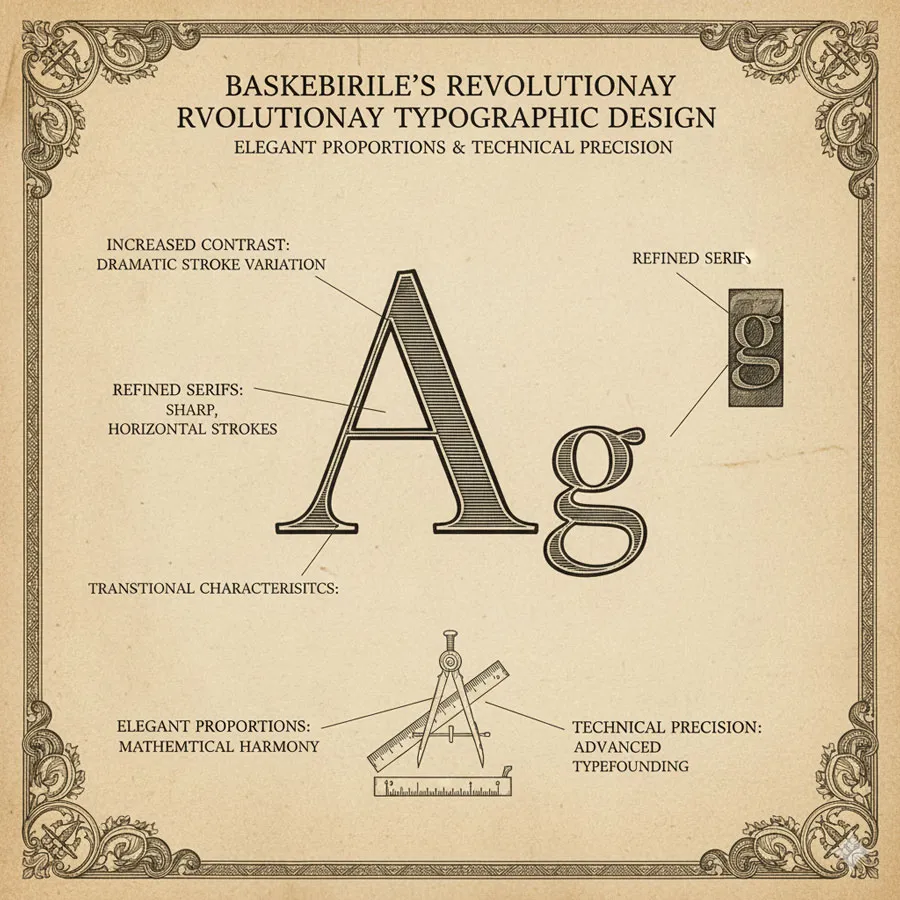
Baskerville typeface represented revolutionary approach to serif design. The typeface featured refined letterforms, increased contrast between thick and thin strokes, and elegant proportions.
These innovations made Baskerville more elegant and sophisticated than contemporary typefaces.
Transitional Design Excellence
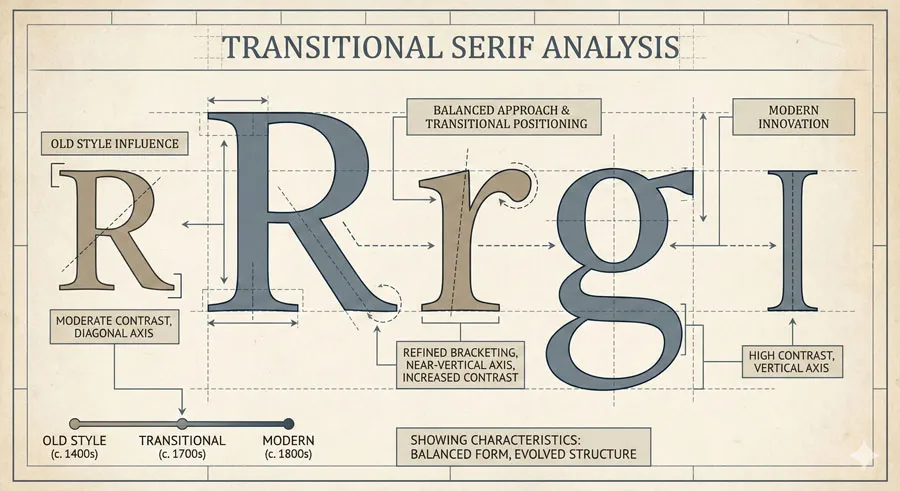
Baskerville is classified as “transitional” serif—occupying space between Old Style and Modern serifs. The typeface combined classical proportion with innovative modern characteristics.
This transitional approach created typeface balancing tradition and innovation.
Technical Refinement and Precision
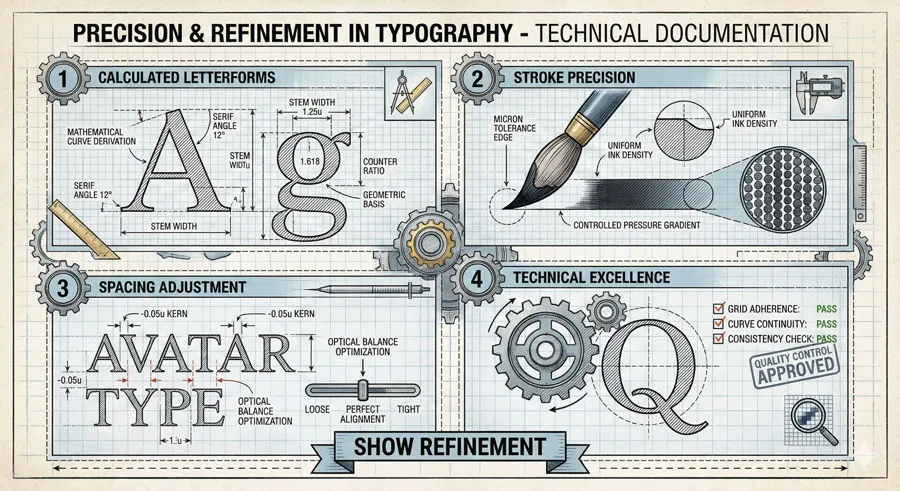
Baskerville featured unprecedented technical refinement. Every letterform was precisely calculated. Stroke weights were carefully proportioned. Spacing was meticulously adjusted.
This technical precision created remarkable consistency and beauty.
Elegance and Clarity Integration
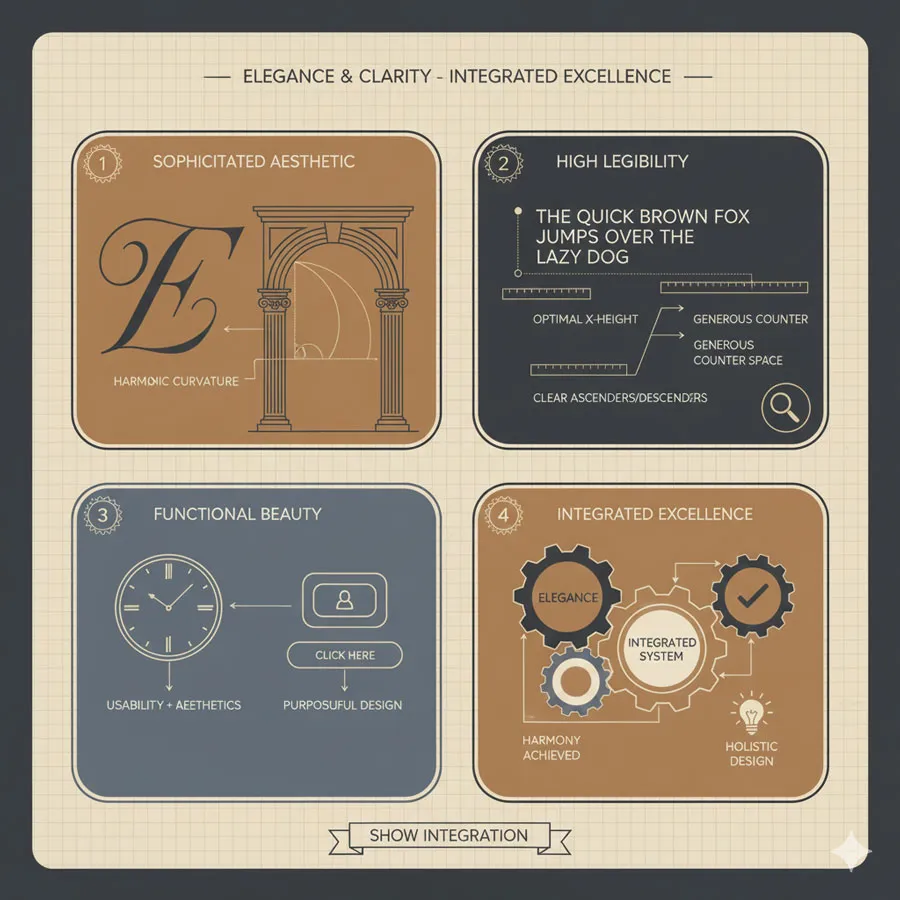
Baskerville achieved remarkable balance between elegance and clarity. The typeface was highly legible while maintaining sophisticated aesthetic.
This integration of elegance and function created typeface of enduring appeal.
Related Topics:
Print Excellence: The Baskerville Printed Page
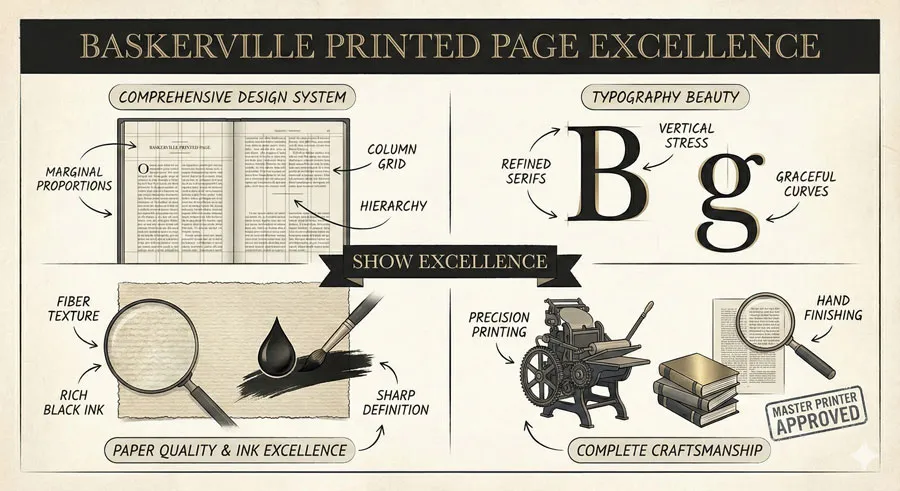
Comprehensive Design System
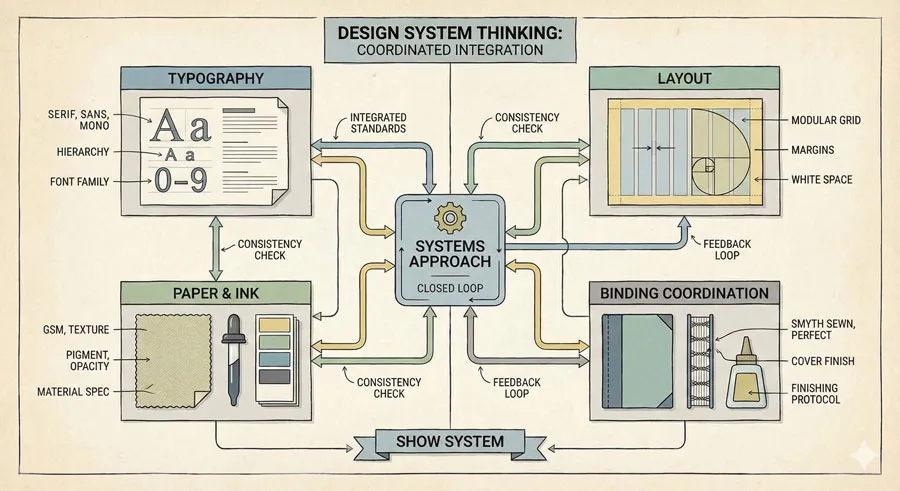
Baskerville developed comprehensive design system addressing every aspect of printed page. Typography, layout, paper, ink, binding—all received careful design consideration.
This systems thinking created superior printed books.
Paper Innovation and Excellence
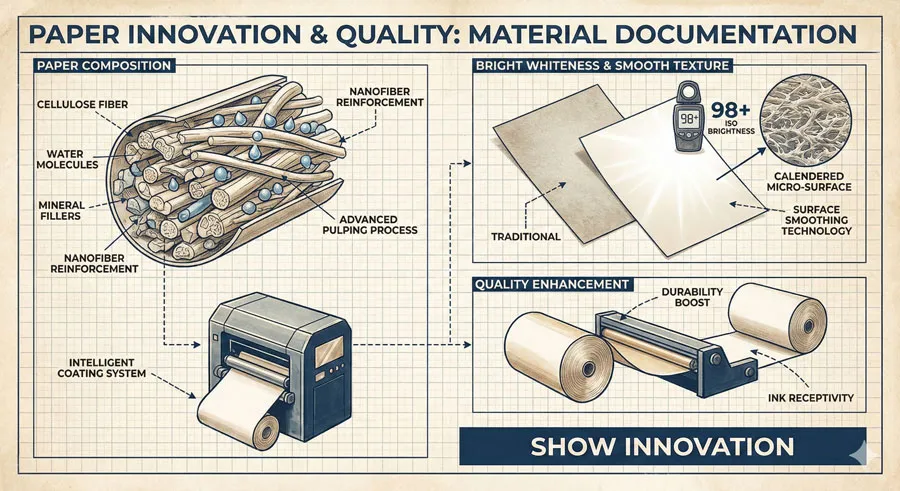
Baskerville innovated paper composition and quality. He developed superior paper specifically designed to display typeface excellence.
The paper’s bright whiteness and smooth texture enhanced typeface display.
Ink Development and Optimization
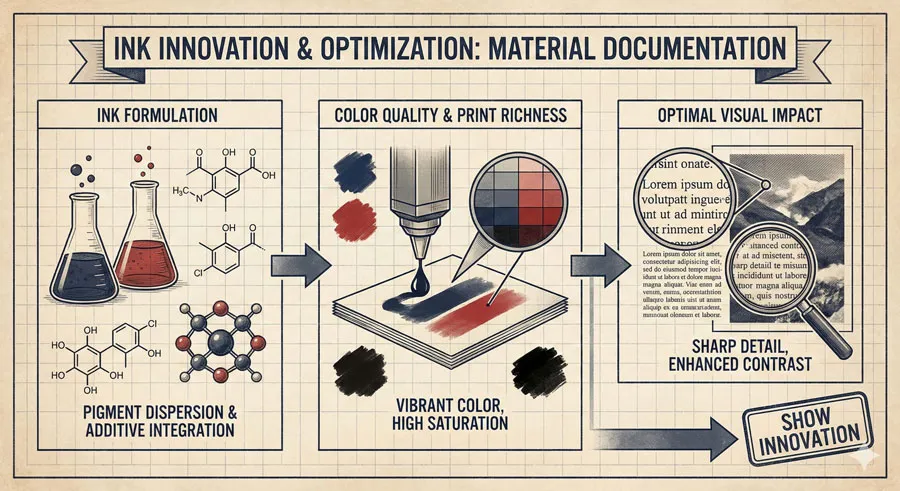
Baskerville developed innovative ink formulations creating superior print quality. The inks were carefully formulated to create optimal visual impact.
The superior inks enhanced typeface appearance significantly.
Binding and Production Excellence
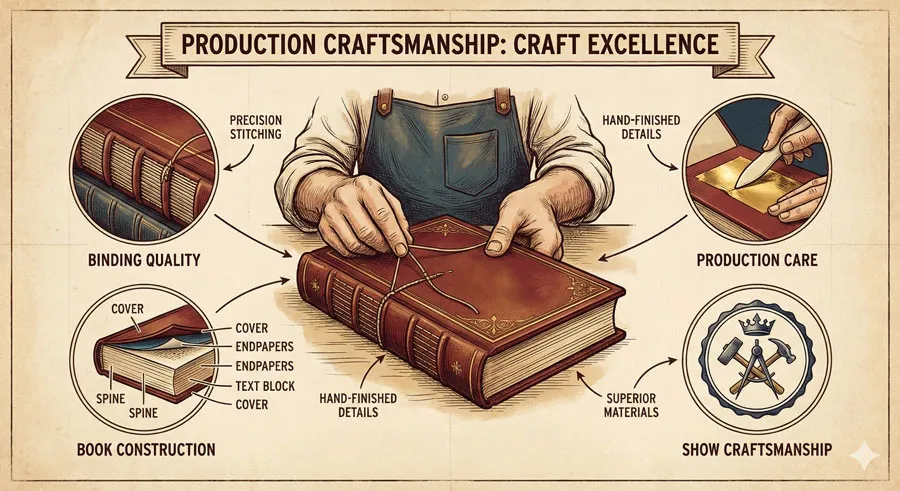
Even binding received meticulous attention. Baskerville books were bound with care and quality reflecting overall design excellence.
Every aspect of book production demonstrated commitment to excellence.
Related Topics:
Revolutionary Characteristics of Baskerville
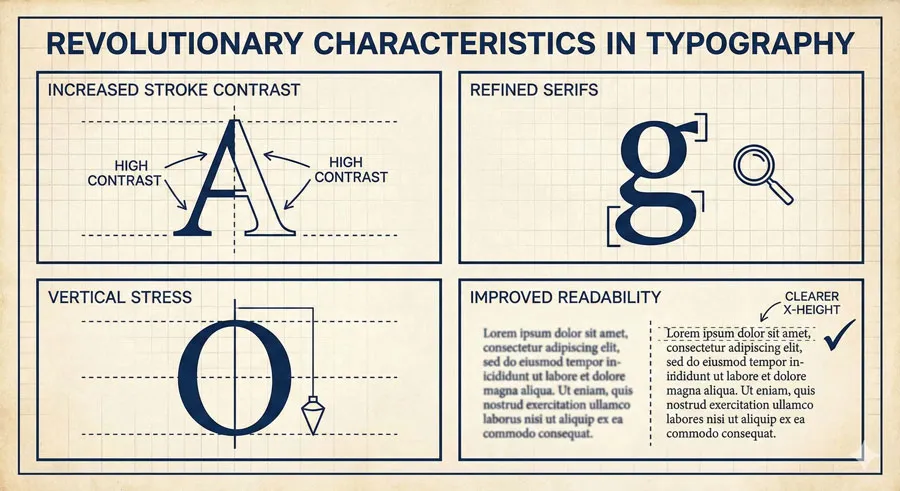
Increased Stroke Contrast
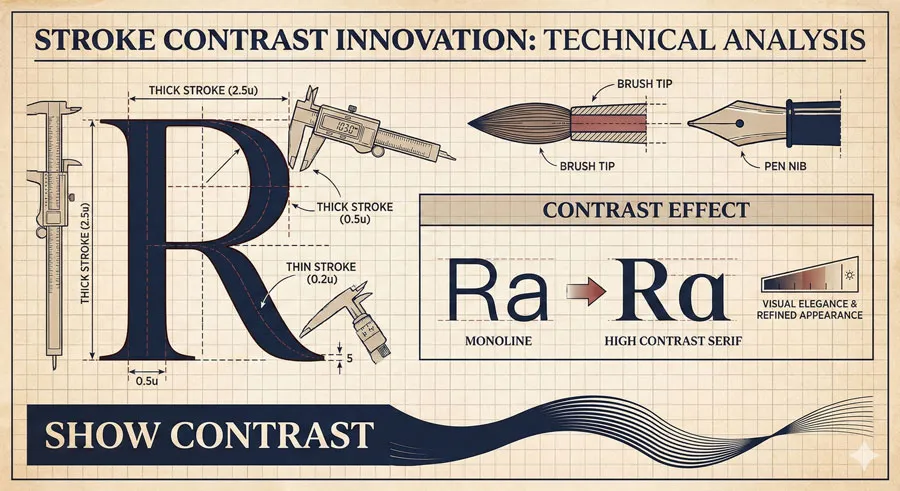
Baskerville increased contrast between thick and thin strokes compared to previous typefaces. This increased contrast created elegant, refined appearance.
The contrast gave typeface sophisticated visual character.
Refined Serifs and Details
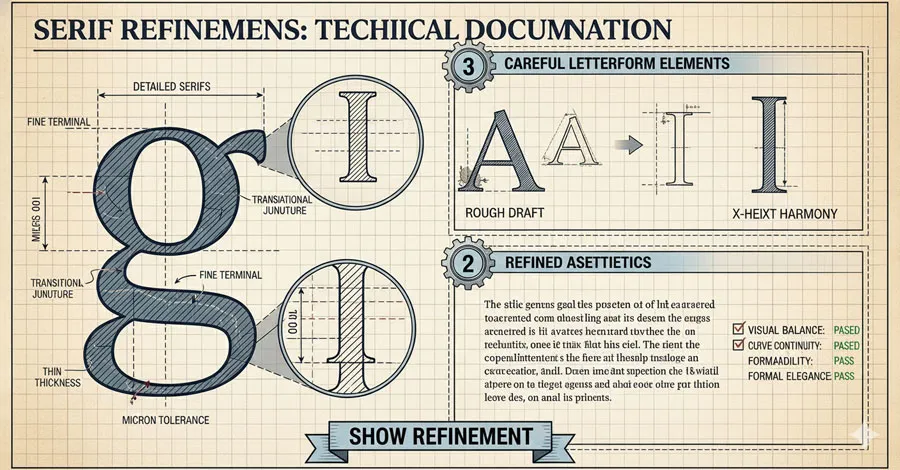
Baskerville featured refined serifs and careful details. Every letterform element received careful design attention.
The refined details created sophisticated aesthetic.
Vertical Stress and Modern Sensibility
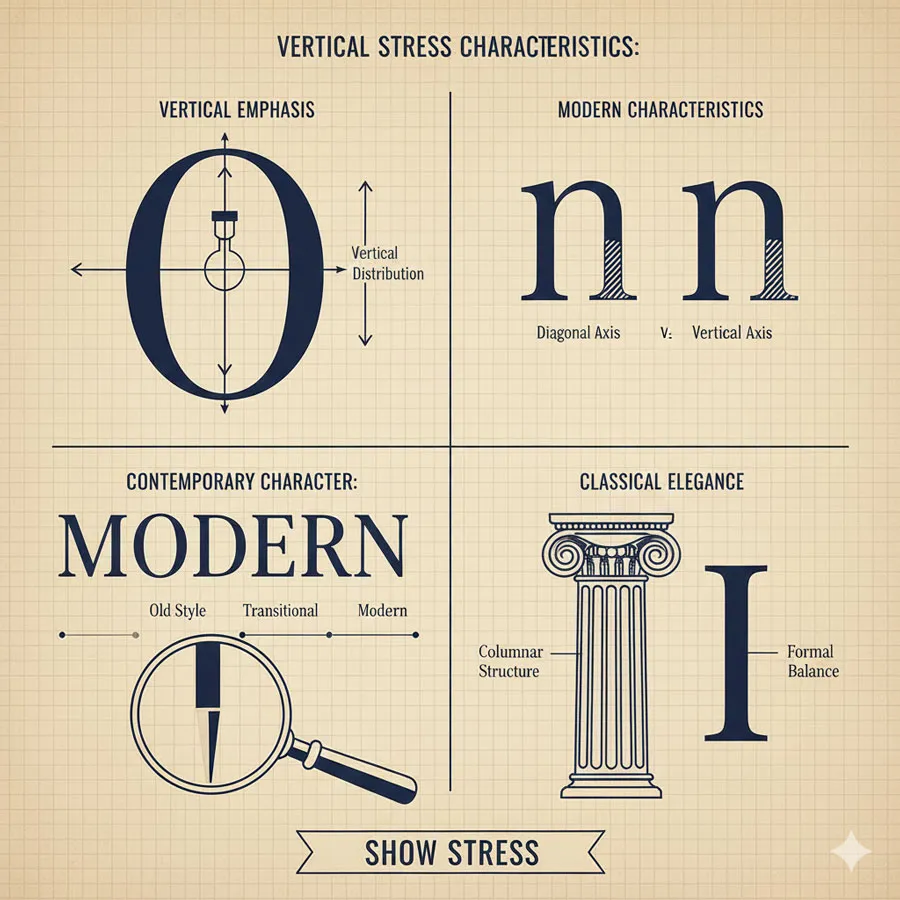
Baskerville featured more vertical stress than Old Style typefaces, creating more modern sensibility while maintaining classical elegance.
This vertical stress gave typeface contemporary character.
Improved Readability and Legibility

Despite sophisticated elegance, Baskerville remained highly readable and legible. The typeface was practical tool serving communication needs.
This combination of elegance and functionality proved revolutionary.
Related Topics:
Cultural Impact and Design Influence
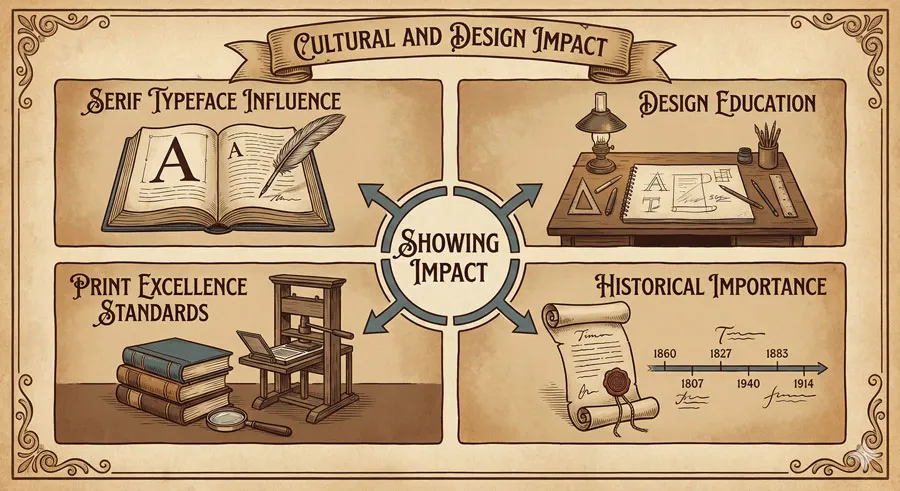
Influence on Serif Typeface Design
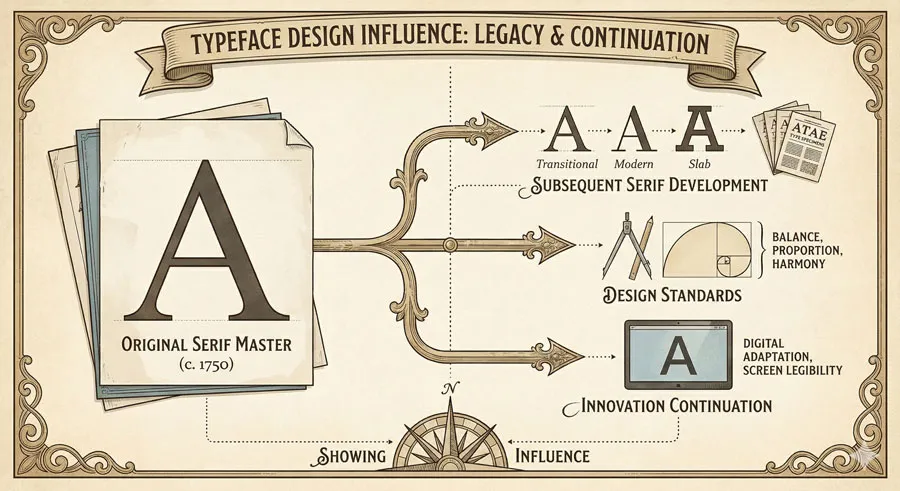
Baskerville influenced subsequent serif typeface design significantly. Many later serifs built on Baskerville’s innovations.
The typeface established new standards for serif excellence.
Inspiration for Design Education

Baskerville inspired design education and theory. The typeface demonstrated importance of craft, precision, and commitment to excellence.
Baskerville became teaching exemplar in design education.
Cultural Significance of Print Excellence
Baskerville’s printed books became culturally significant objects. The books represented belief that typography could express human excellence and elevate civilization.
Baskerville’s books remain valued for aesthetic excellence.
Historical Importance in Typography
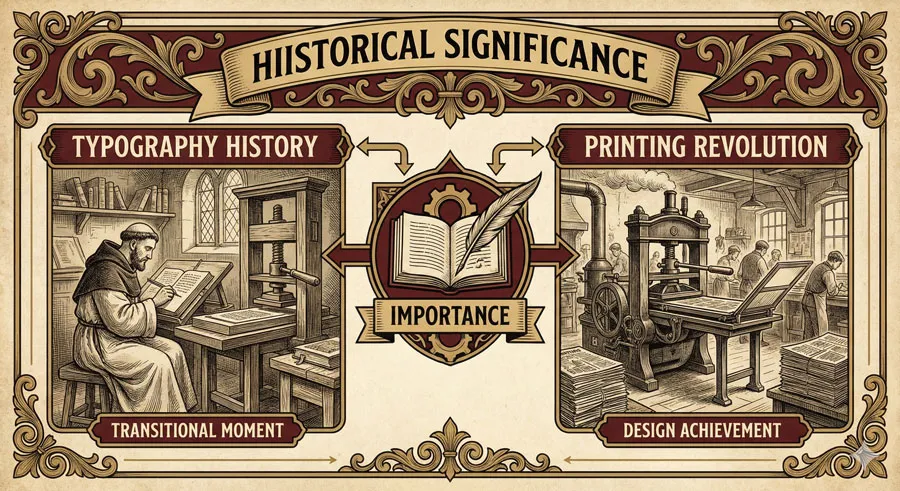
Baskerville achieved historical importance as revolutionary typeface and printing achievement. The typeface marks important transition in typography history.
Baskerville represents period when printing achieved unprecedented excellence.
Related Topics:
Passion and Excellence: The Baskerville Philosophy

Love for Craft and Mastery
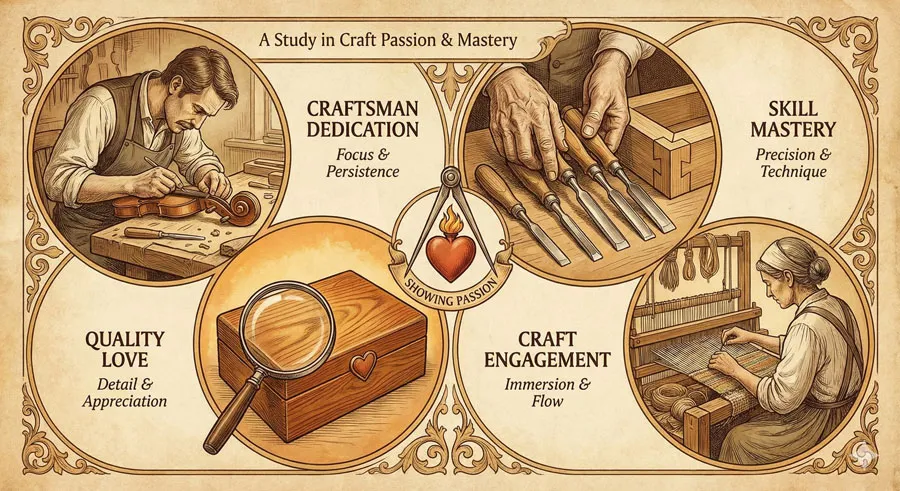
Baskerville’s work reflected passionate love for printing craft and mastery. The commitment to excellence emerged from genuine passion.
This passion created excellence.
Belief in Typography’s Cultural Power
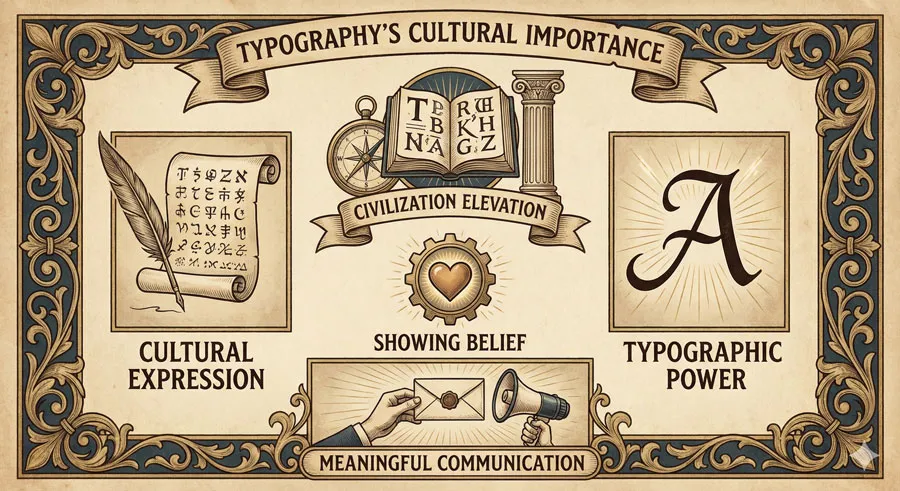
Baskerville believed typography possessed cultural power to express values and elevate civilization. This belief motivated his work.
Typography was not mere utility but cultural expression.
Obsessive Pursuit of Perfection

Baskerville pursued perfection obsessively, never satisfied with existing standards. This obsessive commitment drove continuous improvement.
The pursuit of perfection created excellence.
Legacy of Excellence
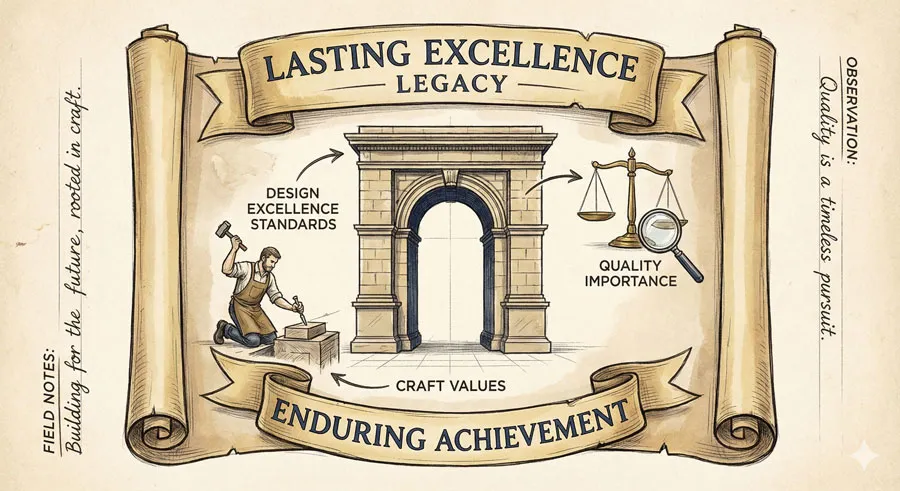
Baskerville’s legacy emphasizes importance of passion and excellence in design. The typeface demonstrates that great design emerges from commitment to quality.
Baskerville remains exemplar of design excellence.
Related Topics:
Baskerville’s Contemporary Relevance
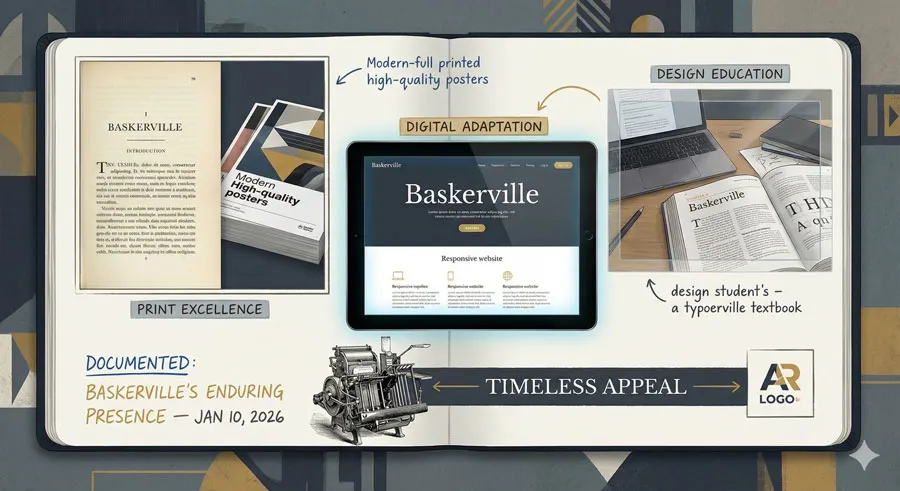
Enduring Print Excellence
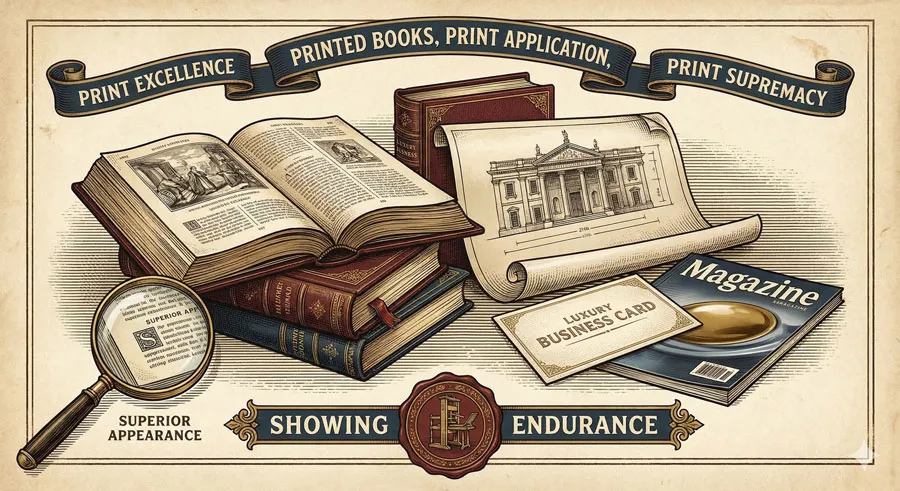
Despite digital typography revolution, Baskerville remains supreme for print applications. The typeface excels in printed books and formal documents.
Baskerville’s print excellence remains unmatched.
Digital Adaptations and Revival

Digital versions of Baskerville bring typeface to contemporary contexts. Digital adaptation enabled new Baskerville uses.
However, Baskerville achieves greatest beauty in print.
Design Education and Inspiration

Baskerville continues inspiring design students and professionals. The typeface teaches lessons about craft, excellence, and typography importance.
Baskerville remains influential in design education.
Timeless Aesthetic Appeal
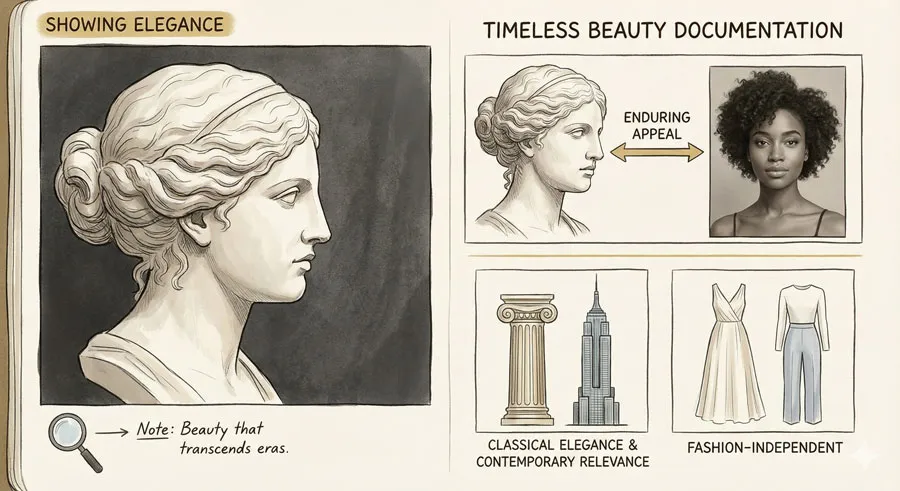
Baskerville’s aesthetic appeal endures despite changing design fashions. The typeface’s classical elegance remains contemporary.
Baskerville’s beauty proves timeless.
Related Topics:
FAQ: Common Questions About Baskerville
Q: Is Baskerville outdated?
A: No. Baskerville remains excellent typeface for print applications. The typeface’s elegance and clarity remain contemporary and appealing.
Q: Why does Baskerville look so elegant?
A: Baskerville’s elegance emerges from refined letterforms, careful proportions, and John Baskerville’s commitment to excellence. Every design decision served elegance.
Q: Is Baskerville good for body text?
A: Yes. Baskerville is highly legible and readable for body text. The typeface combines elegance with functionality.
Q: What makes Baskerville print appearance superior?
A: Baskerville’s superior print appearance emerges from typeface design, superior paper, innovative inks, and meticulous craftsmanship. All elements worked together.
Q: Should contemporary designers use Baskerville?
A: Yes. Baskerville remains excellent choice for projects requiring elegance and sophistication, particularly print projects.
Q: How does Baskerville compare to other serifs?
A: Baskerville occupies distinctive place among serifs. The typeface combines classical elegance with modern innovation in distinctive way.
Q: What did John Baskerville innovate?
A: Baskerville revolutionized typography, printing processes, paper composition, and ink formulation. His innovations elevated printing excellence.
Q: Why is Baskerville called transitional?
A: Baskerville bridges Old Style serifs and Modern serifs. The typeface combines classical proportion with modern characteristics.
Q: Is Baskerville only for print?
A: While Baskerville excels in print, digital versions serve web and screen applications. However, Baskerville’s greatest beauty appears in print.
Q: What is Baskerville’s legacy?
A: Baskerville’s legacy emphasizes importance of craft, excellence, and passion in design. The typeface demonstrates that great design requires commitment to quality.
Conclusion: Passion, Excellence, and Timeless Beauty
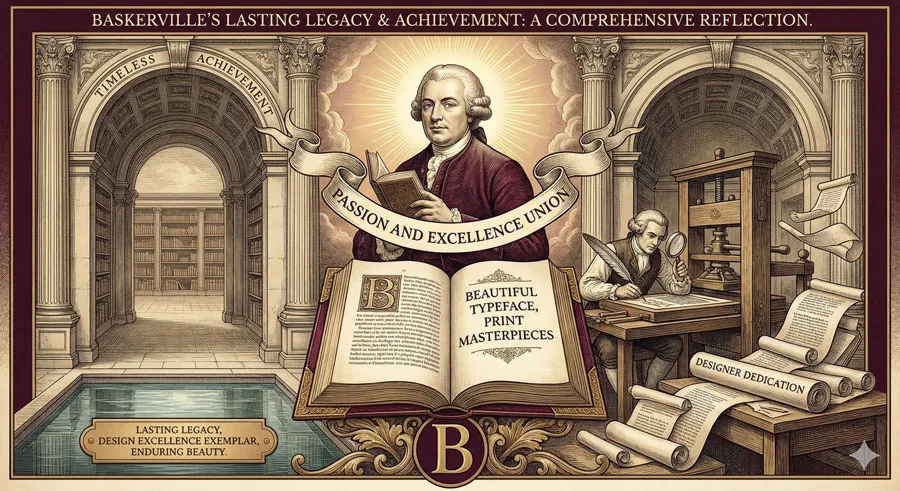
Baskerville represents union of passion and excellence that creates timeless beauty. John Baskerville’s obsessive pursuit of typographic perfection created typeface and printing system of unmatched elegance.
Baskerville’s life demonstrates important truth about design: excellence emerges from passion and commitment. Baskerville did not compromise or accept existing standards. His commitment to perfection created unprecedented achievement.
The Baskerville typeface remains supreme expression of serif elegance and print excellence. The typeface’s refined letterforms, careful proportions, and meticulous craftsmanship create beauty enduring nearly three centuries.
Baskerville also demonstrates importance of comprehensive design thinking. Baskerville did not focus solely on typeface but considered entire printed page—typography, paper, ink, binding, layout. This systems thinking created superior printed books.
The typeface’s enduring appeal suggests something profound about beauty and excellence. Baskerville’s classical elegance remains contemporary despite changing design fashions. The typeface’s beauty proves timeless.
Baskerville’s work also represents belief that typography matters culturally and personally. Baskerville believed beautiful typography could elevate civilization and inspire people. This belief motivated his passionate pursuit of excellence.
Contemporary designers continue recognizing Baskerville as exemplar of design excellence and commitment to craft. The typeface teaches important lessons about quality, precision, and the enduring power of beautiful design.
Baskerville’s story is ultimately love story—designer’s love for typography, love for craft, love for beauty. This passionate commitment to excellence created typeface and printing achievement of lasting significance.
Understanding Baskerville means understanding that great design emerges from passion, commitment to excellence, and belief that craft matters profoundly. Baskerville demonstrates that beautiful, meaningful design requires obsessive attention to quality.
Related Topics:
About the Author
Lalit M. S. Adhikari is a Digital Nomad and Educator since 2009 in design education, graphic design and animation. He’s taught 500+ students and created 200+ educational articles on design topics. His teaching approach emphasizes clarity, practical application and helping learners.
Learn more about Lalit Adhikari.
This guide is regularly updated with the latest information about Adobe tools and design best practices. Last Updated: Mar 2026
Related Topics: