


Stuck in self-pity and victim mentality? Learn the psychology behind self-pity, why venting keeps you stuck, and practical, research-backed steps to take responsibility, heal, and reclaim your life.
Self-pity feels understandable when you’ve been hurt, rejected or betrayed but staying stuck in it quietly destroys your confidence, relationships and sense of purpose.
This article explores what self-pity really is, why it’s so tempting and how to move from a victim mindset to authentic responsibility and growth.
Table of Contents
When Pain Turns Into Self-Pity

The Emotional Shock of Being Hurt

Think of someone who abandoned you, lied to you or let you down at a moment you really needed them. That experience didn’t just sting; it changed how you saw yourself and the world.
You may have started believing that you were not worth showing up for or that people cannot be trusted.
In an ideal world, that person would return, own their actions and offer the honest apology your heart has been waiting for.
You’d feel seen, understood and validated. But most of us never get that perfect apology, and in that emotional vacuum, self-pity can quietly walk in and sit down.
What really is Self-Pity

Self-pity is not just “feeling sad for yourself.” It’s a mental habit of repeatedly telling yourself the story that you are powerless, uniquely unlucky and at the mercy of other people’s actions or life’s unfairness.
Psychologists often describe this as a victim mentality: a learned mindset where you see yourself primarily as the victim of circumstances, blame others for how your life feels and underestimate your own influence over what happens next.
Why Self-Pity Feels So Comfortable (But Isn’t)

The Short-Term Comfort of the Victim Story

Self-pity can feel strangely comforting because it temporarily lifts the weight of responsibility off your shoulders. If “it’s all them” or “it’s all fate,” then you don’t have to risk change, set boundaries or make hard decisions.
The problem is that this comfort comes at a high price: you trade your agency and growth for a sense of helpless safety. Over time, this reinforces a belief that nothing you do really matters which deepens feelings of hopelessness and resentment.
Our Brains’ Tilt Toward the Negative
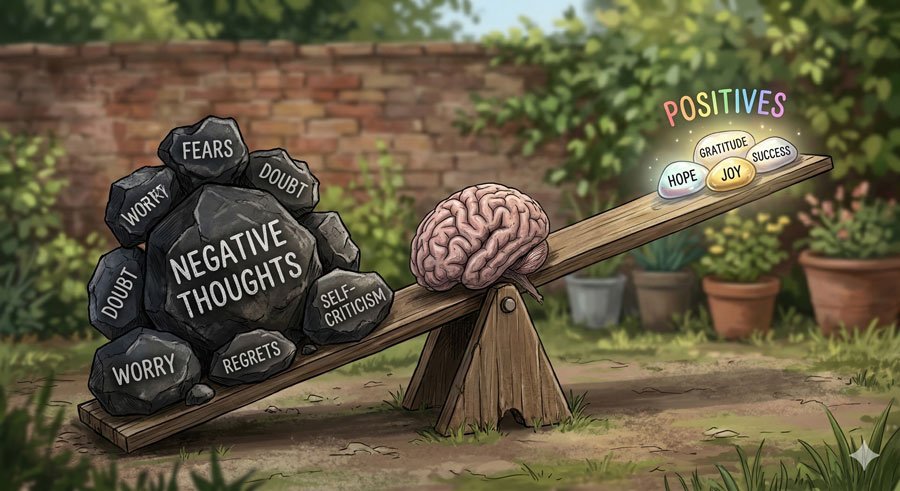
Human brains naturally pay more attention to threats and negative information than to positive experiences. This “negativity bias” makes it easier to slide from “this hurt me” into “nothing ever works out for me” and then into “I’m doomed to suffer like this.”
Left unchecked, that pattern turns into rumination: replaying painful events and thoughts again and again which research links strongly to anxiety and depression.
The Hidden Psychological Costs of Self-Pity

Links to Depression, Anger and Loneliness

Chronic self-pity is not harmless. Research has found that self-pity is closely related to traits like neuroticism and depression, as well as control beliefs that place all power outside yourself. People caught in this mindset are more likely to feel helpless, angry and stuck.
Self-pity also feeds rumination—those looping, self-focused negative thoughts—which are strongly associated with depressive symptoms and higher anxiety. Over time, this can make you withdraw from others, trust less and feel deeply alone.
The Trap of an External Locus of Control

Psychologists describe two broad ways we experience control in life:
- An external locus of control, where you feel that everything important is controlled by luck, other people or fate.
- An internal locus of control, where you recognize that while you can’t control everything that happens, you can control how you respond and what you do next.
Self-pity is rooted in an external locus of control: “Life happens to me, and I have no real say.”
To get out of that prison, you need to slowly shift toward an internal locus of control: “I may not be at fault for what happened, but I’m responsible for how I meet it now.”
Why Venting and “Misery Loves Company” Don’t Actually Help

The Myth That Venting Heals
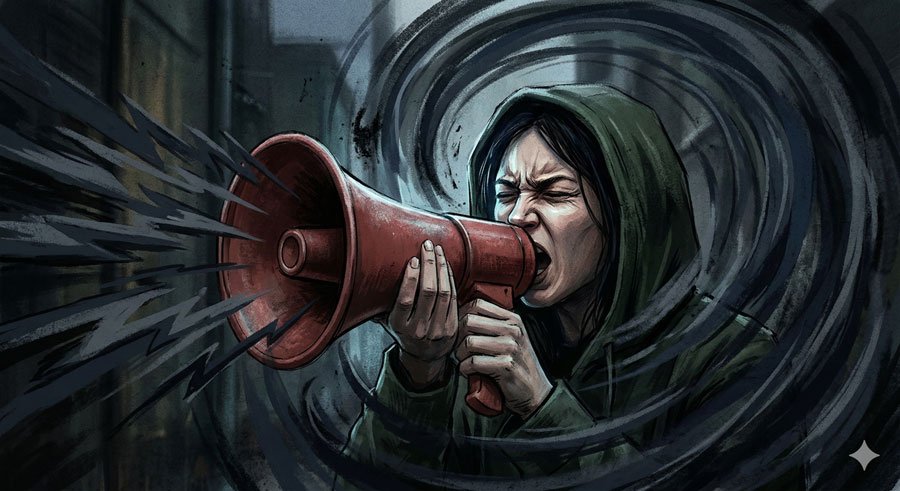
Many of us believe that venting our frustrations—ranting about people who hurt us, replaying every detail of a bad day—will “release” the emotion and make us feel better.
But psychological research suggests the opposite: repeatedly venting anger and negativity tends to intensify those feelings rather than resolve them.
When you vent without reflection or intention, you are essentially rehearsing your pain. You strengthen the emotional pathways of anger, bitterness and self-pity, making it easier to get triggered the next time something goes wrong.
Processing vs. Rehearsing Pain

There is a crucial difference between processing your emotions and rehearsing them:
- Processing involves naming what you feel, exploring the deeper meaning and asking, “What can I learn or do now?”
- Rehearsing (or venting without insight) just replays the same story of “Look how unfair this is,” keeping you locked in victimhood.
Studies on venting and rumination show that continually cycling through negative experiences, without moving toward understanding or action, is linked to more distress, not less.
From “I Am a Victim” to “I Have a Choice”

Questioning the Core Assumption

At the heart of self-pity lies a powerful belief: “I am a victim.” That belief can be true about specific events—you may very well have been hurt, abused, neglected or betrayed. But when it becomes your core identity, it blocks healing and growth.
The key shift is subtle but profound: moving from “I am a victim” to “I was victimized, but I am more than what happened to me, and I still have choices now.” This shift does not minimize your pain; it restores your power.
Reclaiming an Internal Locus of Control

Building an internal locus of control means asking different questions. Instead of:
- “Why did this happen to me?” you begin asking:
- “Given that this happened, what can I do now that is healthy, wise and aligned with who I want to become?”
This mindset doesn’t magically fix everything but research shows that people who believe they have some control over their responses cope better, take more constructive action and feel less trapped by circumstances.
The Healthy Alternative: Taking Accurate Responsibility
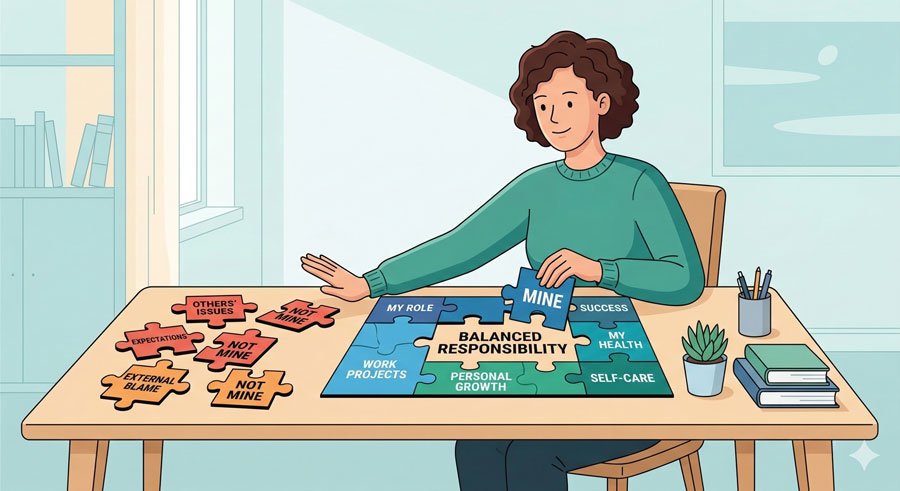
Responsibility Is Not the Same as Blame

A lot of people resist “taking responsibility” because they secretly hear it as “it’s all your fault.” But healthy responsibility is not about self-blame. It’s about reclaiming your ability to influence what happens next.
Mature responsibility means accurately sorting out:
- What wasn’t your responsibility (the abuse, the betrayal, the injustice).
- What is your responsibility now (your boundaries, your choices, your support system, your habits).
Correcting Our “Responsibility Radar”

Humans often swing between two extremes:
- Blaming others for almost everything (“I never have a choice”).
- Blaming ourselves for almost everything (“It’s always my fault”).
True growth happens in the middle: seeing clearly what belongs to you and what doesn’t. This balanced responsibility is linked to better mental health, healthier relationships and greater resilience after difficult events.
Practical Steps to Move Beyond Self-Pity

1. Name the Story You’re Repeating
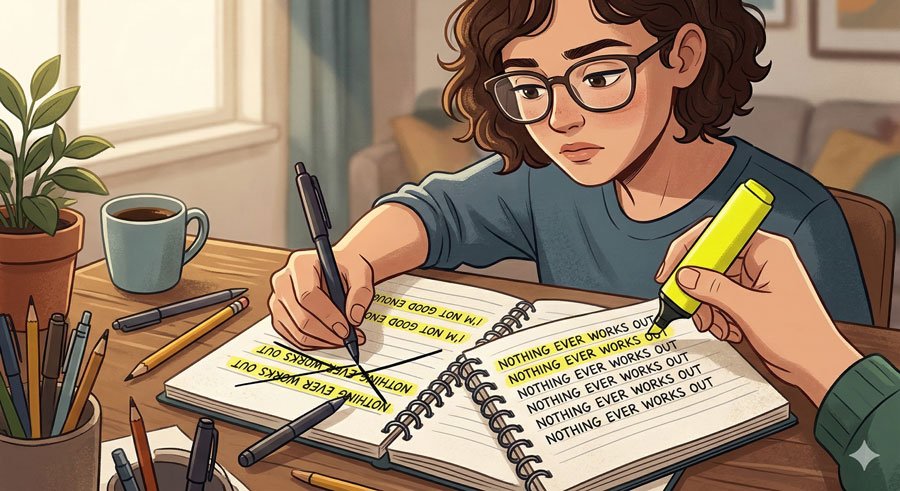
Start by gently noticing the sentences that run through your mind when you feel low:
- “Nothing ever works out for me.”
- “People always leave.”
- “I never get what I deserve.”
These thoughts are understandable, but they are also stories—not absolute truths. Writing them down helps you see them as mental patterns you can question instead of facts you must obey.
2. Ask One Powerful Question

When you catch yourself in self-pity, try asking:
- “What is one small, healthy thing I *can* do about my situation today?”
This question nudges you gently from helplessness into agency. It doesn’t deny your pain; it invites you to hold pain and possibility at the same time.
3. Make a “Responsibility List” of Five Actions

Take a blank page and list five concrete actions that could help you in your current situation—no matter how small they seem. For example:
- Book a therapy or counselling session.
- Have one honest, boundary-setting conversation.
- Start a daily gratitude note for three things you do have.
- Limit time with people who constantly pull you down.
- Begin a gentle daily routine (walk, journaling, breathing practice).
Research on self-compassion and rumination suggests that shifting into active, kind behaviours toward yourself can reduce psychological symptoms over time.
4. Involve an Accountability Partner

Share your list with someone you trust—a friend, mentor, or support-group member who wants to see you grow. Ask them:
- To check in with you about one action per week.
- To gently call you out when they notice you sliding into self-pity instead of problem-solving.
Healthy support doesn’t mean people rescue you; it means they walk with you while you practice rescuing yourself.
5. Replace Venting with Intentional Processing
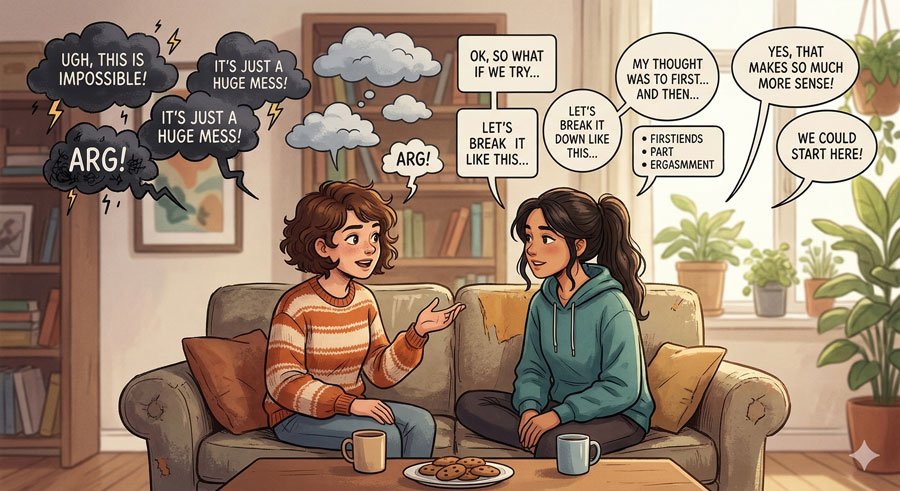
The next time you feel the urge to vent, pause and set an intention:
- “I’m not just here to complain; I want to understand what I’m feeling and what I can do next.”
Invite your listener (or your journal) to help you:
- Clarify what hurt you most,
- Identify what you need,
- Explore at least one constructive step forward.
This transforms conversation from rehearsing pain into processing and integrating it.
Choosing Gratitude Without Denying Reality

The Power of “Both-And” Thinking

You always have at least two paths:
- Staying angry about what you don’t have, or
- Being thankful, even in small ways, for what you do have.
Gratitude is not pretending everything is fine. It’s a practice of seeing that pain and goodness can coexist in the same life at the same time.
Studies on self-compassion and positive focus suggest that cultivating kinder, more balanced thoughts about yourself reduces anxiety and depressive rumination.
Faith, Hope and the Will to Live

Believing in something you cannot yet see—whether you call it faith, hope, or possibility—is a psychological lifeline when life feels heavy.
Even when you don’t feel strong, you can choose small acts that align with hope: getting up, reaching out, creating, serving, or simply trying again today.
Over time, those small, hopeful acts re-train your mind away from persistent self-pity and toward a deeper, more resilient sense of self-worth.
When You Might Need Professional Support

If your self-pity feels constant, if you struggle to get out of bed, or if thoughts of worthlessness and hopelessness are overwhelming, it may be more than a mindset—it may be depression or another mental health condition.
Therapies that emphasize self-compassion, balanced thinking, and emotional processing (such as CBT or compassion-focused approaches) have been shown to help reduce rumination and psychological symptoms.
Reaching out for professional help is not a sign that you failed; it is one of the most powerful acts of responsibility and self-respect you can take.
About the Author
Lalit M. S. Adhikari is a Digital Nomad and Educator since 2009 in design education, graphic design and animation. He’s taught 500+ students and created 200+ educational articles on design topics. His teaching approach emphasizes clarity, practical application and helping learners.
Learn more about Lalit Adhikari.
This guide is regularly updated with the latest information about Adobe tools and design best practices. Last Updated: Mar 2026