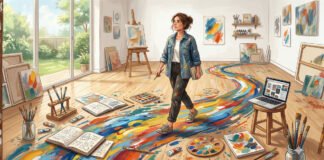



Discover how to overcome creative blocks by resetting your workspace, caring for your body, and rebuilding sustainable artistic motivation.
Feeling stuck in front of a blank canvas or screen can be terrifying, especially when you know you want to create but your mind feels completely empty.
This state—often called a creative block or creative barricade—is more common than you think and it’s not a sign that you’re not talented enough.
It usually means two powerful forces around you are out of balance: your environment and your body.
In this blog, we’ll explore how small, practical changes to your workspace and your physical wellbeing can dramatically improve your motivation, focus and creative flow.
Table of Contents
What Is a Creative Block?
A creative block is a period of time when you struggle to generate ideas, feel unmotivated to start or complete creative work, or feel emotionally disconnected from your art.
You might have deadlines, passion projects, or ideas you want to execute, but when you sit down to work, your brain feels blank and your energy disappears.
Some common signs of a creative block include:
- Procrastinating even on projects you care about
- Feeling mentally foggy or emotionally drained
- Constantly second-guessing your ideas
- Avoiding your workspace or tools
The good news: creative blocks are not permanent. Many times, they’re a reaction to your surroundings and how you’re treating your body.
Two Core Drivers of Creative Motivation
There are countless tips online about beating creative block—brainstorming tricks, prompts, challenges and more.
But two foundational factors often get overlooked:
- Your Environment – the physical space you work in
- Your Body – your energy, mood, and physical state
When these two areas are neglected, it becomes much harder to access a state of focus, curiosity and playfulness that true creativity needs. Let’s break them down one by one.
Your Environment: How Your Space Shapes Your Creativity
Artistic personalities are highly influenced by what they see, hear and feel around them.
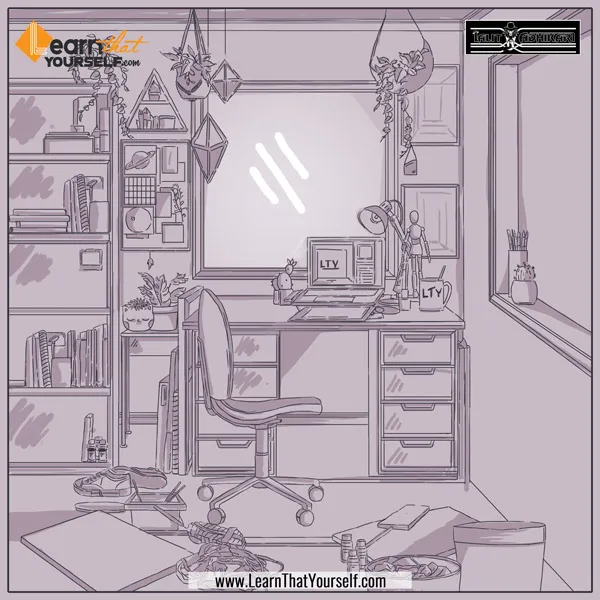
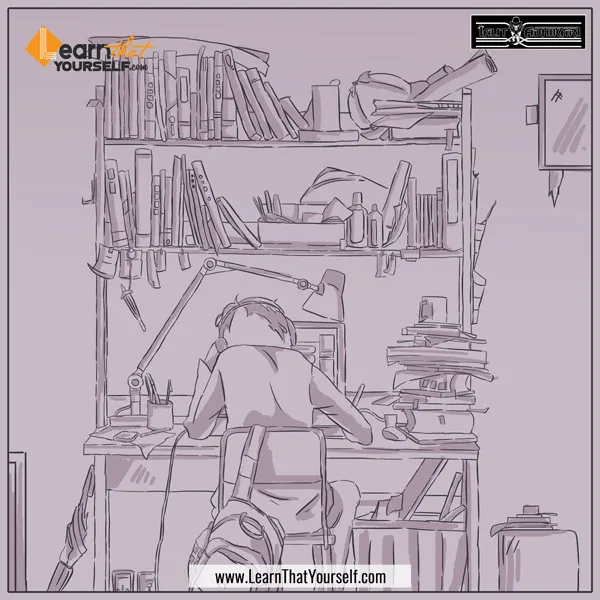
If your surroundings are chaotic, dusty or cluttered, your brain often mirrors that chaos, making it harder to think clearly, finish tasks or even start them.
You may recognize this scenario:
- You’ve just wrapped up a big project.
- Your desk is full of brushes, sketches, cables, coffee mugs or snack wrappers.
- Your tablet screen is smudged, your keyboard is dusty and there are random files everywhere.
At first, you ignore it because you’re “too busy creating.” But over time, the build-up of visual noise silently drains your mental energy and motivation.
Simple Workspace Reset Ritual
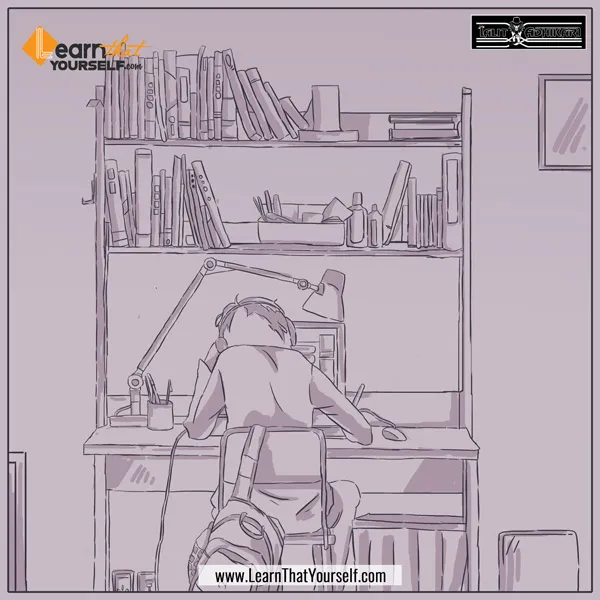
One of the most effective habits you can build is a regular environment reset—a short, intentional routine to refresh your workspace.
This doesn’t have to take hours or turn into perfectionism.
Try this quick ritual:
- Wipe your main surfaces (desk, tablet, keyboard, mouse, drawing board).
- Clear away obvious trash (used tissues, old cups, packaging, paper scraps).
- Put essential tools back where they belong (pens in holders, sketchbooks stacked, drives stored safely).
- Dust off your devices and screens.
Even 10–15 minutes of cleanup can make your space feel new again and signal to your brain that it’s safe and ready to focus.
Remember When Your Tools Were New
Think back to when you first bought your favourite device—your drawing tablet, laptop, or that new sketchbook.
You were excited to touch it, explore it, and create with it. Over time, as it gathered dust—literally and emotionally—that excitement faded.
You don’t always need to upgrade your gear to feel inspired. Sometimes, simply cleaning, resetting and appreciating what you already have can reignite that sense of potential.
Try this:
- Gently clean your screen and stylus.
- Tidy up your desktop (both physical and digital).
- Rearrange your desk layout so it feels intentional, not accidental.
A refreshed setup often makes you want to sit down and use it again.
Pay Attention to Light, Air and Smell
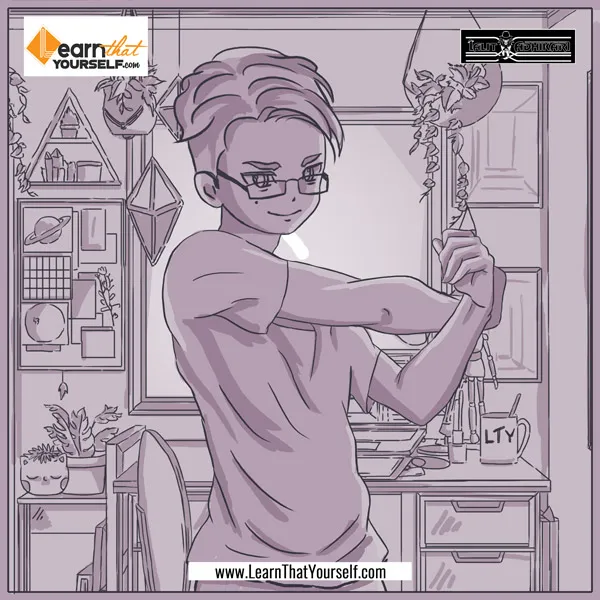
Your senses constantly feed your creative brain. Subtle changes to your environment can quietly influence your energy and mood:
- Lighting: Natural light or a soft, warm lamp is usually more inspiring than harsh, cold overhead light.
- Air: A stuffy room can make you drowsy—open a window, use a fan, or step out for a breath of fresh air.
- Smell: A clean space or a scent you enjoy (like coffee, candles, or essential oils) can become part of a creative ritual.
Over the years, many artists develop their own environment-refresh routine.
For example, you might decide that after every big project—or before starting a new one—you reorganize or refresh one part of your space.
This helps you feel in control and excited before diving into a new creative challenge.
Your Body: The Forgotten Engine of Creativity
Many artists spend most of their time in their heads—thinking about concepts, stories, colours, or compositions. It’s easy to forget that your body is the engine making all of this possible.
When your body is exhausted, tense, undernourished, or neglected, your creativity suffers too.
Research has consistently shown that regular physical activity can reduce symptoms of depression and anxiety and improve mood, self-esteem, and energy levels.
Even light to moderate exercise multiple times per week has been found to significantly support mental wellbeing and resilience.
Put simply: taking care of your body is not separate from your creative practice—it is part of it.
How Movement Supports Your Creative Mind
Exercise and gentle movement can help you:
- Reduce stress and restless energy
- Improve sleep quality and recovery
- Boost mood and overall mental clarity
- Feel more confident and grounded in your own skin
Health and psychology organizations note that regular physical activity is linked with lower rates of depression and anxiety and can act as an effective complementary support to other treatments.
For creatives, that can mean less emotional fog and more capacity to sit down and actually do the work.
Small, Realistic Habits You Can Start Today
You don’t have to become a fitness enthusiast to support your creativity. Start with small, sustainable actions that fit into your lifestyle:
- Take a 10–15 minute walk at the start or end of your workday.
- Stretch gently between long drawing or editing sessions.
- Play a recreational sport you genuinely enjoy once or twice a week.
- Do a short home workout, yoga flow, or mobility routine.
Even non-exercise self-care choices matter:
- Getting a haircut when you’ve been putting it off
- Wearing clothes you feel comfortable and confident in
- Drinking enough water during your creative sessions
All these seemingly small actions add up to one big effect: when you sit down to work, you feel more present, awake and emotionally available to create.
Designing Your Personal Creative Support System
Breaking through creative barricades isn’t only about forcing yourself to “try harder” or waiting for inspiration. It’s about designing a life and environment that support creativity by default.
Here’s a simple framework you can experiment with:
- Weekly Environment Reset
Choose one day each week to tidy, clean, and reset your workspace. - Project Start Ritual
Before starting a major project, reorganize something in your space—a shelf, a drawer, your digital files. - Daily Body Check-In
Ask yourself: Have I moved today? Have I eaten properly? Have I slept enough? - Micro-Movement Breaks
Set a timer to stand up, stretch, or walk for a few minutes every hour or two.
The goal is not perfection. The goal is to remove as many invisible barriers as possible so your creativity can flow more freely.
Final Thoughts: Clearing the Path for Your Art
Creative blocks are not proof that you’re not an artist—they are invitations to adjust how you’re living and working.
If you feel stuck right now, start small:
- Clear one part of your workspace.
- Wipe down your favorite device.
- Take a short walk or stretch.
These tiny steps send a powerful message to your brain: “I’m making space for creativity again.”
Over time, as you care for both your environment and your body, you’ll find that motivation returns more easily, ideas flow more naturally and sitting down to create feels less like a battle and more like coming home to yourself.
About the Author
Lalit M. S. Adhikari is a Digital Nomad and Educator since 2009 in design education, graphic design and animation. He’s taught 500+ students and created 200+ educational articles on design topics. His teaching approach emphasizes clarity, practical application and helping learners.
Learn more about Lalit Adhikari.
This guide is regularly updated with the latest information about Adobe tools and design best practices. Last Updated: Mar 2026