

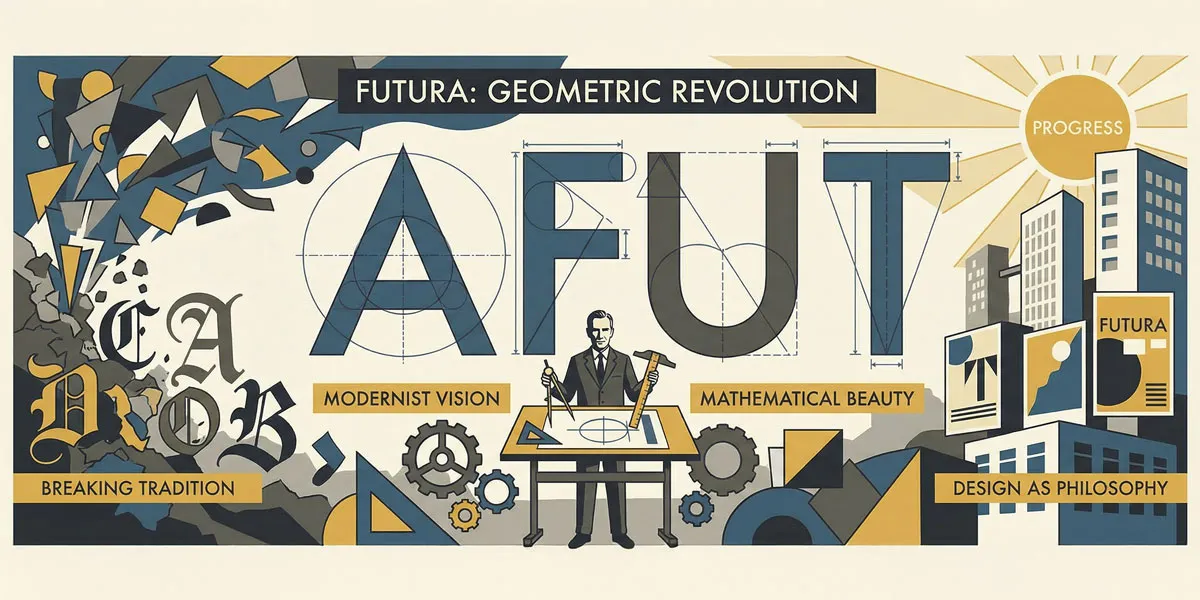
Explore Paul Renner’s revolutionary vision for Futura typeface, his design philosophy, and how geometric modernism transformed typography and design thinking.
My name is Lalit Adhikari and we are at LTY. Let’s begin!
Table of Contents
Introduction: Geometric Vision as Revolutionary Act
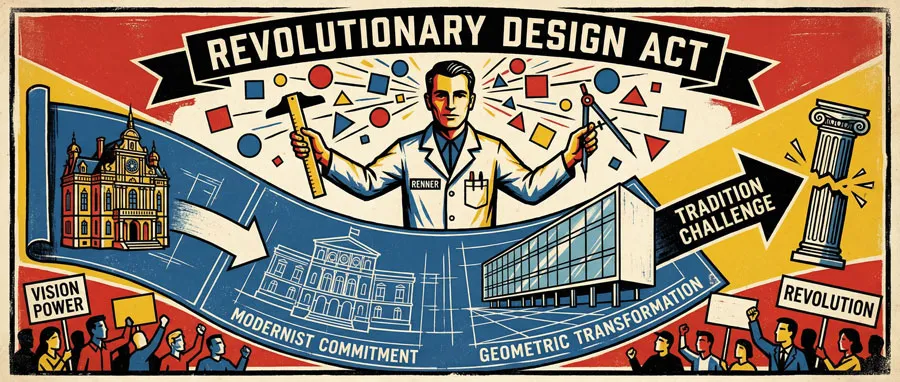
Paul Renner’s design of Futura represents more than typeface creation—it embodies revolutionary design vision challenging centuries of typographic tradition. Renner pursued geometric perfection not as aesthetic indulgence but as philosophical commitment to modernist principles and design rationality.
Renner believed typography should express contemporary aesthetic and modern values. The typeface should abandon ornamental tradition in favor of geometric clarity expressing progress, reason, and modernist vision.
This philosophical commitment distinguished Renner from mere technicians. Renner was visionary designer pursuing geometric revolution through typeface design. Every design decision reflected theoretical commitment to modernist principles.
Futura’s success demonstrates that radical design innovation can achieve commercial success and widespread adoption. The typeface proved modernist principles possessed popular appeal beyond avant-garde circles.
Renner’s design philosophy established principles influencing contemporary design. Geometric foundation, system thinking, design rationality—these principles remain relevant to contemporary design challenges.
The Futura story reveals something profound about design: that philosophical commitment and design excellence can align and strengthen each other. Renner’s radical vision created design enduring nearly a century.
Paul Renner represents designer-as-visionary combining theoretical commitment with practical design skill. His work demonstrates that design excellence emerges from clear philosophical foundation and unwavering commitment to design principles.
This comprehensive exploration examines Paul Renner’s design philosophy and theoretical commitments, traces Futura’s revolutionary development and design principles, analyzes geometric modernism as design approach, explores the typeface’s revolutionary impact on design, considers the relationship between theory and practice in design, and ultimately asks:
- What does Renner’s vision reveal about design revolution, geometric modernism, and the power of philosophical commitment in design?
Related Topics:
Paul Renner: Designer, Visionary, and Theoretical Thinker
Design Philosophy and Modernist Commitment
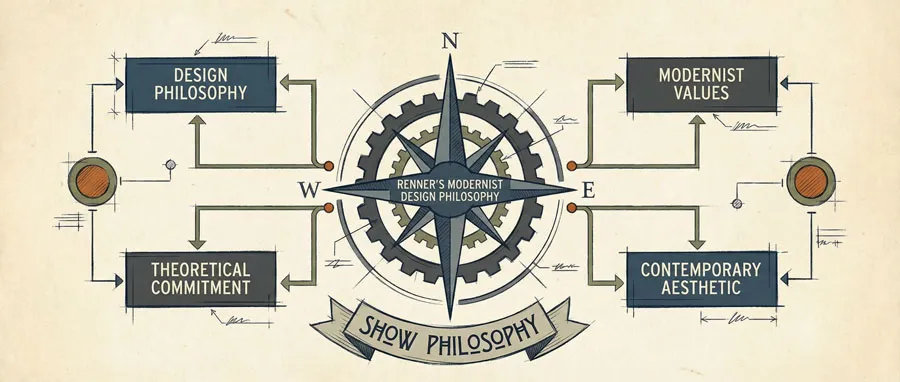
Paul Renner was designer and theorist devoted to modernist principles. His design philosophy emphasized clarity, rationality, and rejection of ornamental tradition.
Renner believed design could express philosophical values and cultural commitments. Typography was not merely functional but cultural expression.
Geometric Principles as Design Foundation
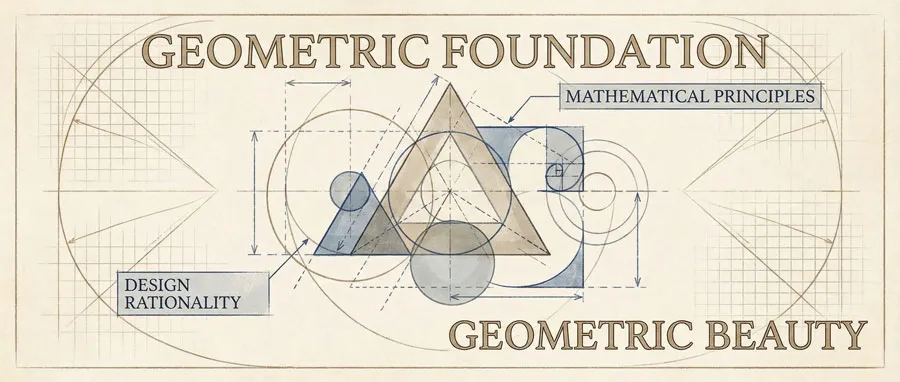
Renner pursued geometry as fundamental design principle. He believed beauty emerged from geometric perfection and mathematical relationships rather than from tradition or ornament.
This geometric foundation differentiated Renner’s approach from historical letterform traditions.
System-Level Design Thinking

Renner approached typeface design systematically. Rather than individual letterforms, Renner considered entire typeface system achieving coherent geometric vision.
System thinking enabled Renner to create unified typeface expressing consistent philosophy.
Educational Vision and Design Theory

Renner was design educator committed to developing design theory. His teaching articulated modernist design principles and geometric design methodology.
Renner’s educational work established theoretical framework for geometric design.
Revolutionary Spirit and Design Courage

Renner pursued design revolution with commitment and courage. He challenged established typography traditions proposing radical alternatives.
Revolutionary spirit drove Renner’s design innovation.
Related Topics:
Futura: Geometric Vision Realized
Design Brief and Revolutionary Commission

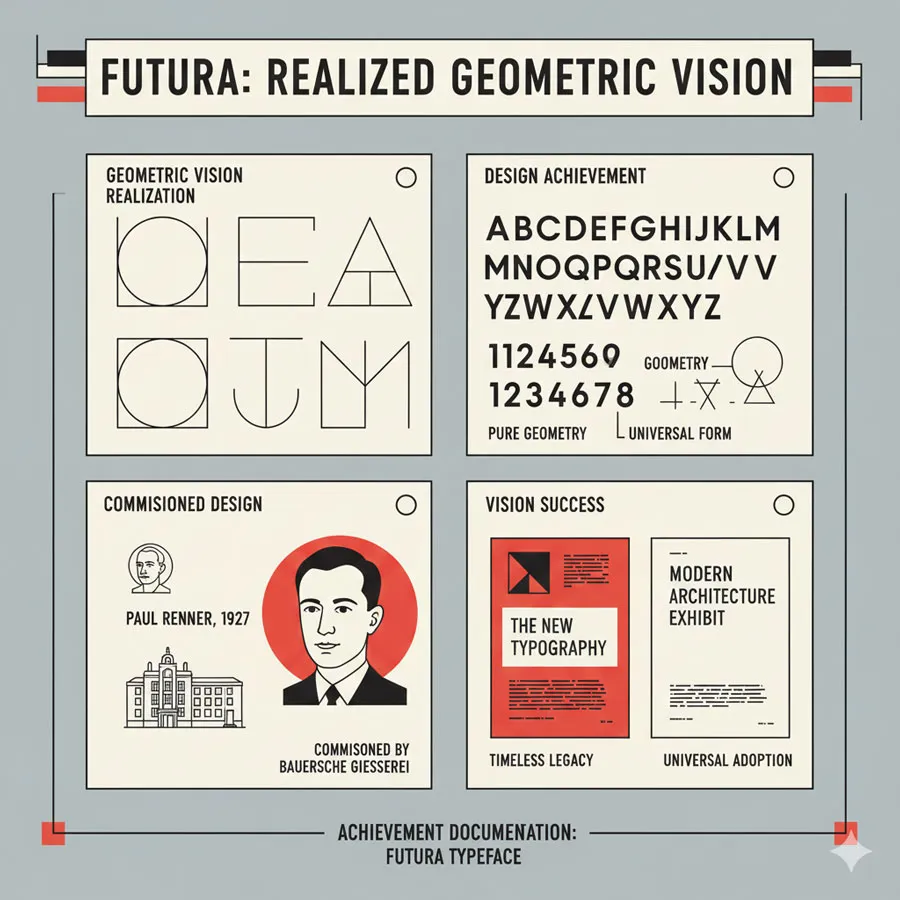
Renner received commission from Bauer Typefoundry to design modern typeface. The brief enabled Renner to realize geometric vision.
The commission became opportunity to revolutionize typography through geometric design.
Geometric Construction Methodology
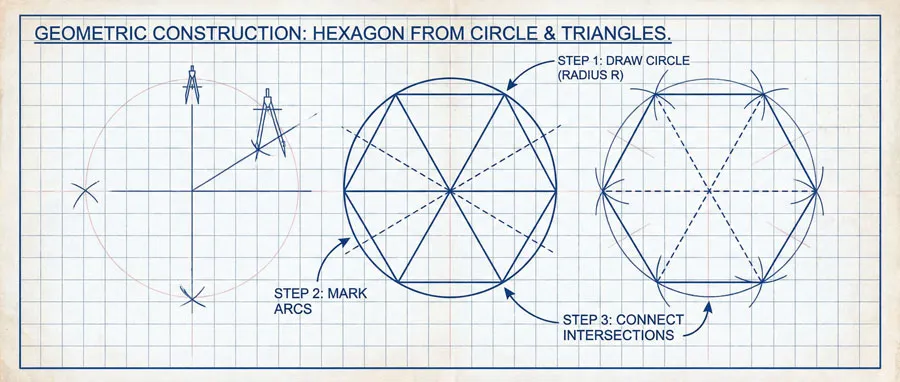
Futura was constructed from geometric principles. Circle, triangle, straight line—these geometric forms created letterform system.
Geometric construction represented radical departure from historical methodology.
Theoretical Purity and Commercial Viability

Futura achieved remarkable balance between theoretical purity and commercial viability. The typeface was theoretically pure modernist design serving practical communication needs.
This balance proved revolutionary—demonstrating modernist principles could achieve commercial success.
Mathematical Relationships and Proportion
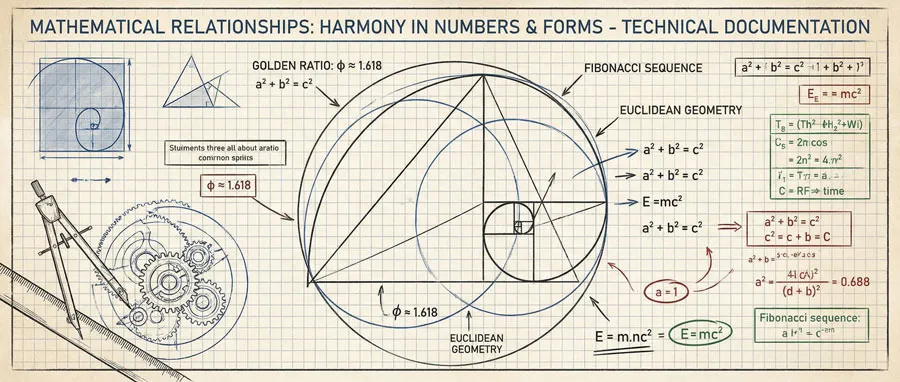
Futura features carefully calculated mathematical relationships. Proportions reflect geometric harmony and mathematical beauty.
Mathematical foundation creates visual coherence and harmony.
Modernist Expression Through Form
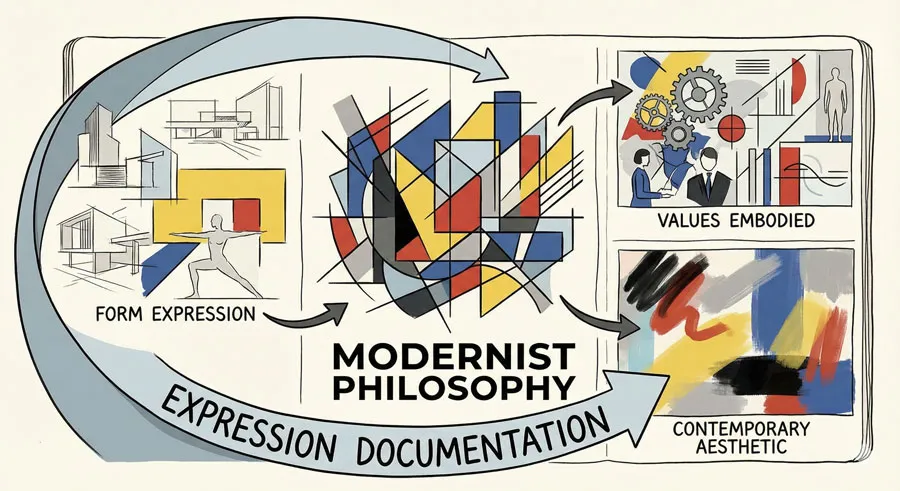
Futura expresses modernist philosophy through letterforms. The typeface communicates progress, rationality, and contemporary aesthetic.
Typography embodies cultural and philosophical values.
Related Topics:
Geometric Modernism as Revolutionary Design Approach
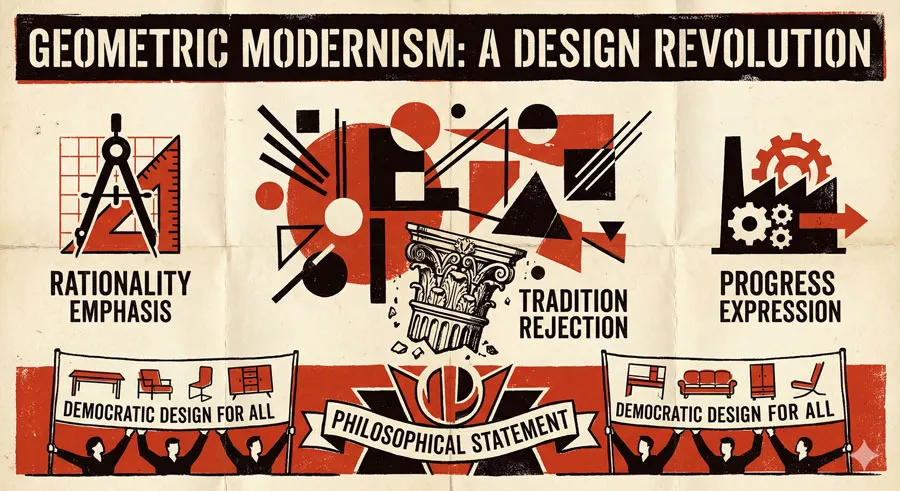
Rejection of Ornamental Tradition
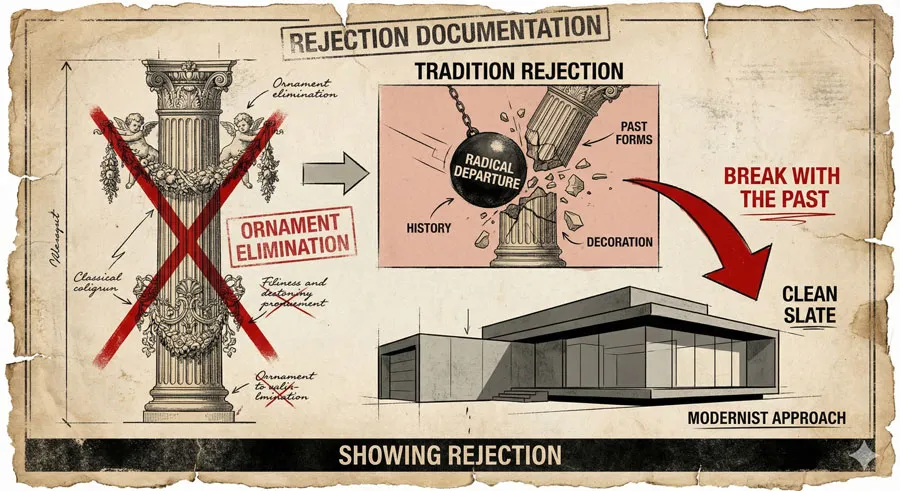
Geometric modernism rejected ornamental tradition accumulated over centuries. Ornamentation represented historical excess and dishonesty.
Geometric modernism represented radical rejection of tradition.
Rationality and Design Reason
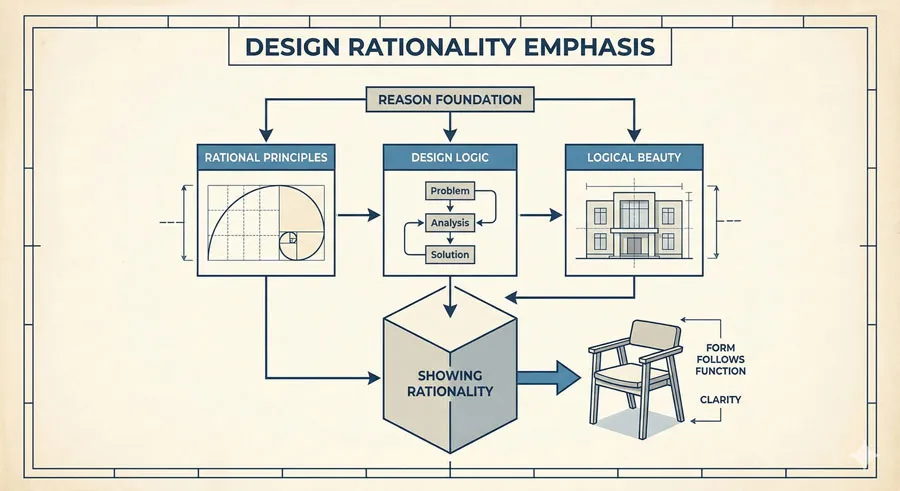
Geometric modernism emphasized rationality and design reason. Beauty emerged from logical principle rather than arbitrary tradition.
Rationality became design foundation.
Progress Expression Through Form

Geometric modernism expressed belief in progress and modern values. Design could embody contemporary optimism and technological faith.
Typography expressed cultural values and historical moment.
Democratic Design and Universal Principles
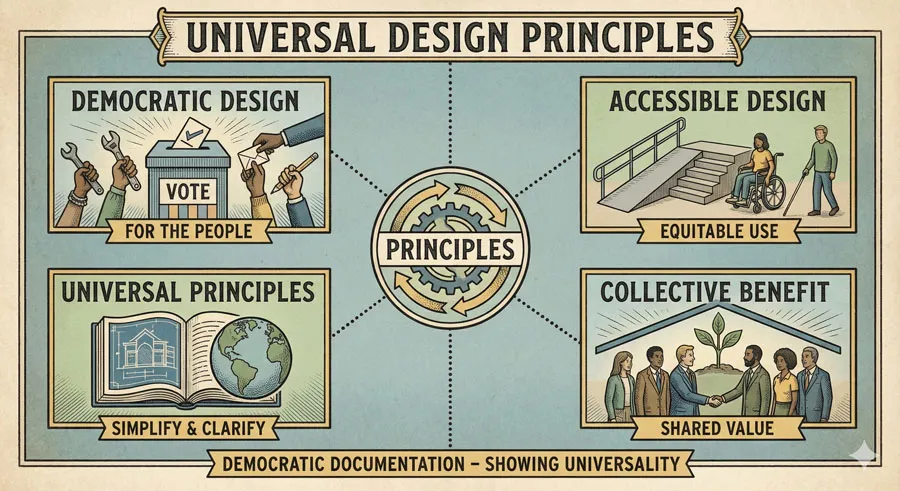
Geometric modernism pursued universal design principles applicable across contexts. Geometric forms transcended cultural particularity.
Universal principles created democratic design accessible to all.
Design as Philosophical Statement

Geometric modernism treated design as philosophical statement. Typeface design expressed theoretical commitments and cultural values.
Design was not merely functional but philosophical expression.
Related Topics:
Revolutionary Impact on Design Thinking
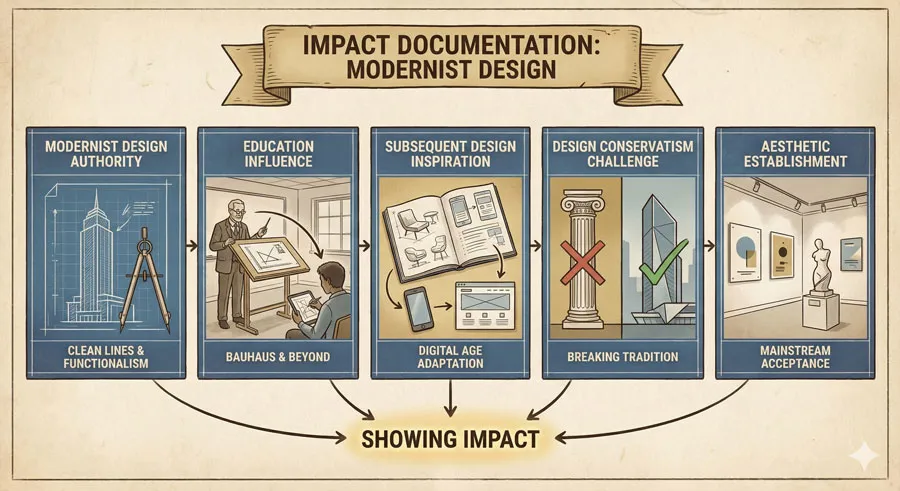
Establishing Modernist Design Authority

Futura established modernist design as authoritative approach. The typeface proved geometric principles could create commercially successful design.
Futura validated modernist design principles.
Influencing Design Education and Theory

Futura influenced design education establishing geometric principles as design foundation. Renner’s theoretical work shaped design curriculum.
Design education embraced geometric modernism.
Inspiring Subsequent Geometric Design
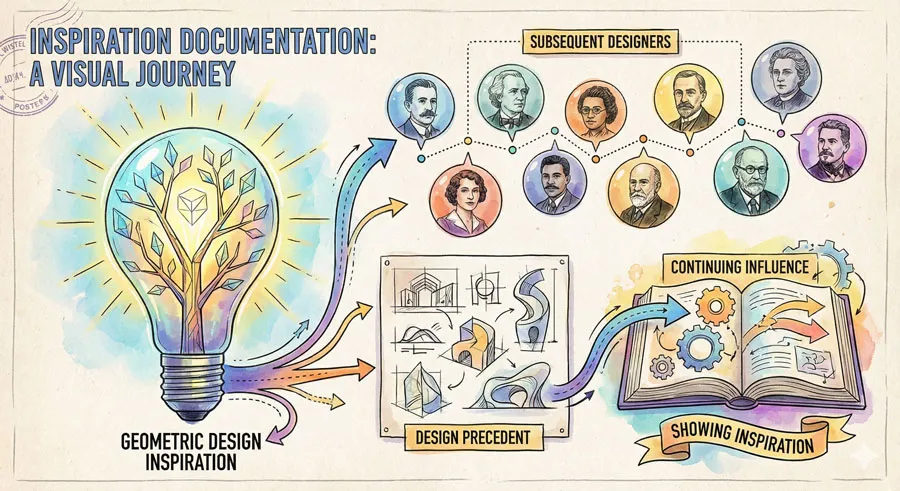
Futura inspired designers to pursue geometric design approaches. The typeface established precedent for geometric typeface design.
Geometric design became established design approach.
Challenging Design Conservatism
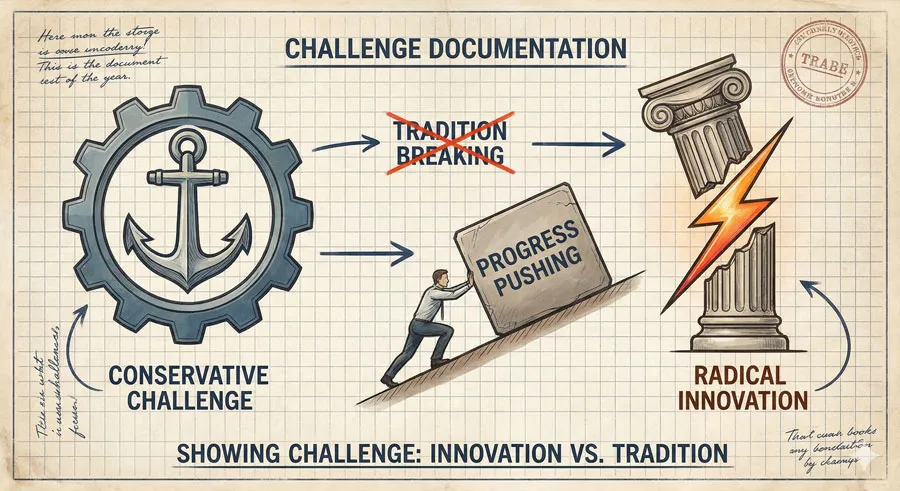
Futura challenged design conservatism by proving radical innovation could succeed. The typeface demonstrated that tradition could be overcome.
Design conservatism faced challenge from modernist innovation.
Establishing Modernist Aesthetic as Contemporary
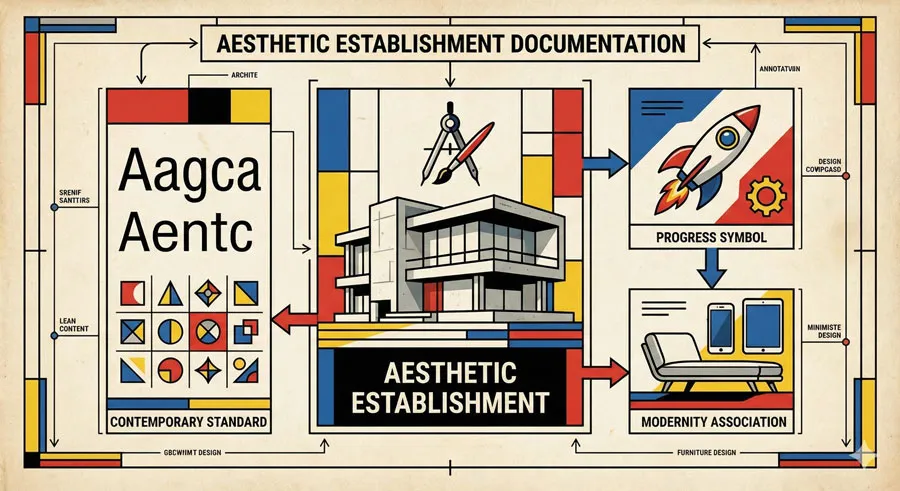
Futura established modernist aesthetic as contemporary design standard. Geometric forms became associated with modernity and progress.
Modernist aesthetic became dominant contemporary design language.
Related Topics:
Theory and Practice Integration in Renner’s Work

Design Theory Informing Practice

Renner’s theoretical commitments directly informed design practice. Every design decision reflected theoretical principle.
Theory and practice integrated seamlessly.
Practice Validating Theory

Futura’s success validated Renner’s theoretical commitments. Practical success proved geometric principles’ viability.
Theory found validation through practical achievement.
Educational Theory and Professional Practice

Renner integrated educational theory and professional practice. His teaching informed his design work; his design informed his teaching.
Educational and professional practice reinforced each other.
Design Philosophy as Design Guide

Renner used design philosophy as design guide throughout development. Philosophy provided consistent decision-making framework.
Philosophy unified design process.
Coherent Design Vision
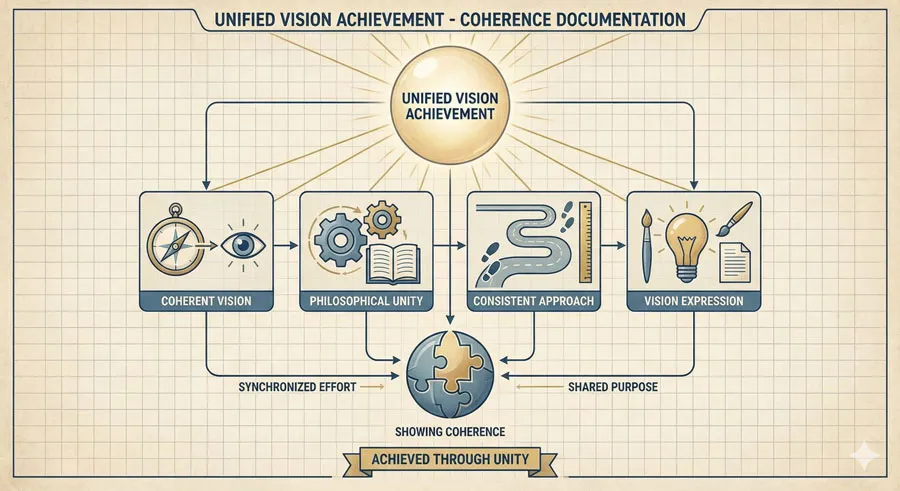
Integration of theory and practice created coherent design vision. Futura expresses unified philosophical commitment.
Philosophical coherence strengthens design excellence.
Related Topics:
Contemporary Relevance and Design Learning
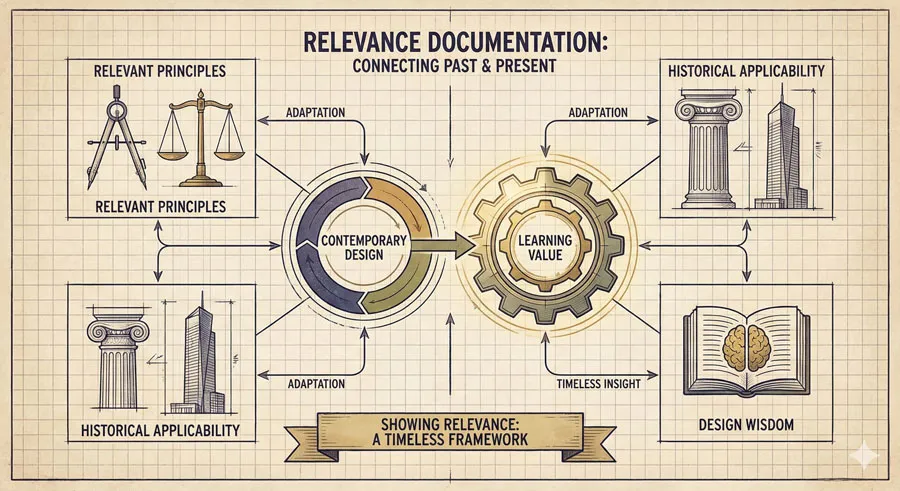
Modernist Principles Remain Relevant
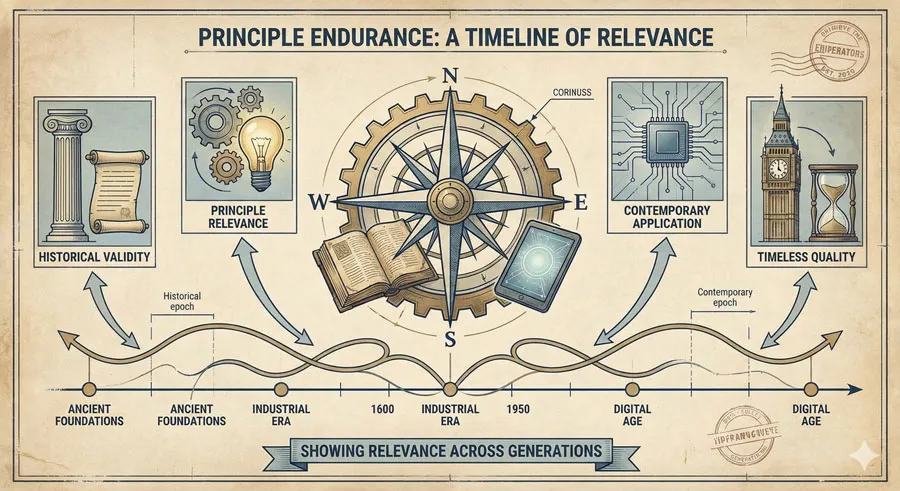
Renner’s modernist principles remain relevant to contemporary design. Clarity, rationality, geometric foundation—these principles continue serving design needs.
Historical principles maintain contemporary validity.
Design Philosophy Importance

Renner’s work demonstrates importance of design philosophy. Designers benefit from clear theoretical framework.
Philosophical commitment strengthens design practice.
System-Level Design Thinking

Renner’s systems thinking approach remains relevant to contemporary design. Contemporary designers benefit from systematic design approach.
Systems thinking enhances design quality.
Revolutionary Spirit and Design Innovation
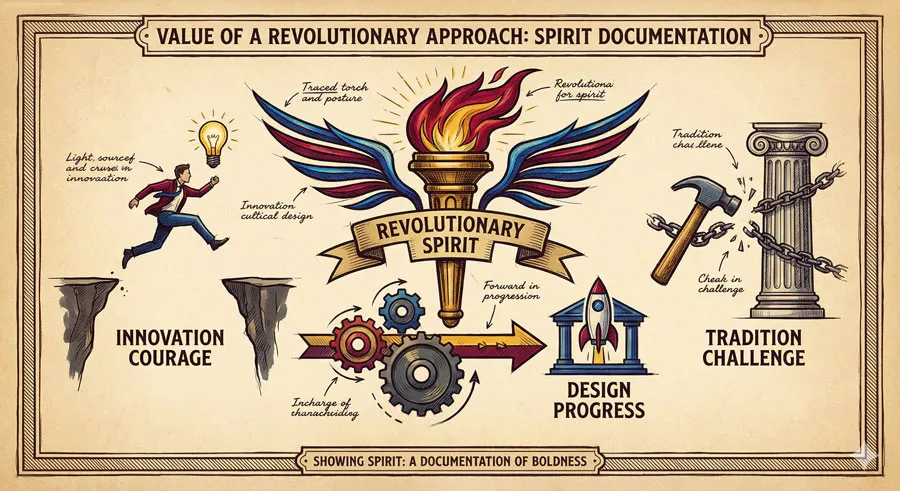
Renner’s revolutionary approach continues inspiring designers. Contemporary design benefits from willingness to challenge tradition.
Revolutionary spirit drives design progress.
Geometric Design Endurance
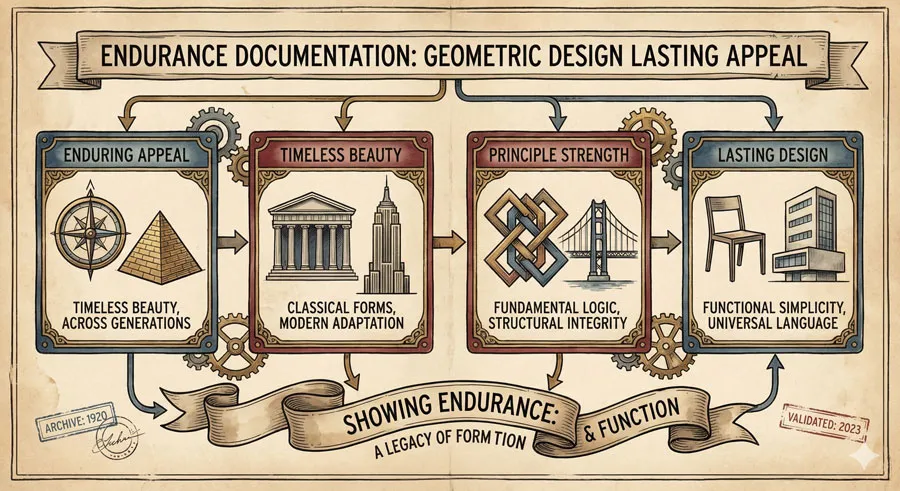
Futura’s endurance demonstrates geometric design’s lasting appeal. Geometric principles create timeless design.
Geometric design transcends temporal fashion.
Related Topics:
FAQ: Common Questions About Paul Renner and Futura
Q: What made Renner’s approach revolutionary?
A: Renner pursued geometric design from first principles rather than adapting historical forms. This radical approach revolutionized typography.
Q: How did Renner balance theory and practice?
A: Renner maintained clear theoretical framework informing every design decision. Theory guided practice; practice validated theory.
Q: Was Futura commercially successful?
A: Yes. Futura achieved remarkable commercial success demonstrating modernist principles could succeed commercially.
Q: How did Renner’s education influence his design?
A: Renner’s educational background informed his theoretical commitments. His education shaped his design philosophy.
Q: Are Renner’s principles still relevant today?
A: Yes. Clarity, rationality, systems thinking—these principles remain relevant to contemporary design challenges.
Q: How did Futura influence other designers?
A: Futura established geometric design as viable approach. The typeface inspired subsequent geometric typeface design.
Q: What was Renner’s design process?
A: Renner began with theoretical commitment, then applied geometric principles systematically to develop letterforms.
Q: Did Renner’s vision limit design possibilities?
A: No. Geometric foundation provided framework enabling systematic exploration of design possibilities.
Q: How does Renner’s approach compare to contemporary design?
A: Renner’s systems thinking and theoretical commitment align with contemporary design values emphasizing clarity and systematic approach.
Q: What is Renner’s legacy in design?
A: Renner’s legacy includes establishing geometric modernism as design approach, demonstrating design’s philosophical potential, and proving modernist principles could achieve commercial success.
Related Topics:
Conclusion: Geometric Vision as Revolutionary Achievement
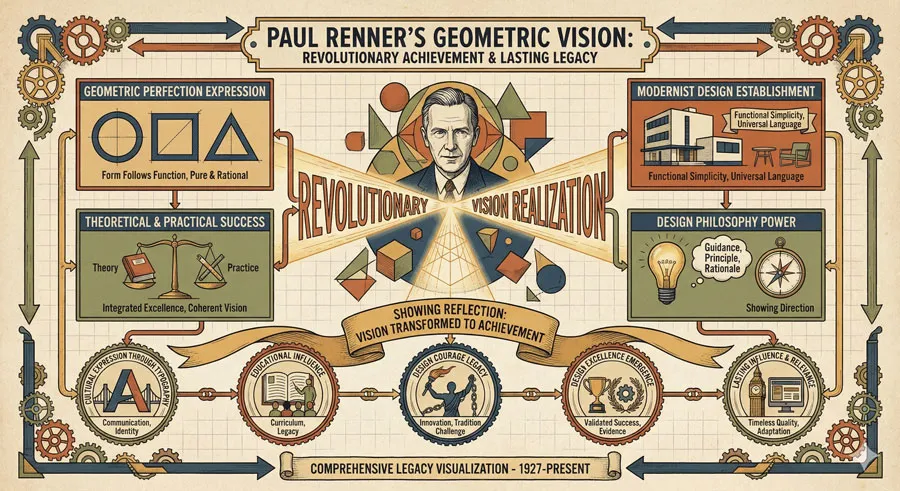
Paul Renner’s design of Futura represents revolutionary achievement combining geometric vision, theoretical commitment, and design excellence. Renner proved that radical design innovation could succeed commercially while maintaining theoretical integrity.
Renner’s philosophical commitment drove design decisions throughout Futura’s development. The typeface expresses consistent modernist vision rather than compromising for commercial viability.
Futura’s success demonstrates that design excellence emerges from clear theoretical framework. Designers benefit from philosophical commitment and clear design principles.
Renner established important precedent for design: that revolution and commercial viability need not conflict. Radical innovation can achieve widespread adoption.
The typeface also demonstrates design’s cultural and philosophical power. Typography can express values, embody principles, and communicate contemporary aesthetic.
Renner’s educational work established theoretical framework for geometric design. His teaching influenced design education and design practice.
Contemporary designers continue learning from Renner’s approach. Systems thinking, theoretical commitment, geometric foundation—these principles remain valuable.
Renner’s work demonstrates importance of design courage. Revolutionary change requires willingness to challenge established tradition and pursue radical alternatives.
The Futura story ultimately celebrates design vision transformed into practical achievement. Renner’s geometric vision revolutionized typography and established principles influencing design practice.
Understanding Renner means understanding that design excellence emerges from philosophical commitment, clear principles, and revolutionary spirit. Great design requires vision, courage, and unwavering dedication to design principles.
Related Topics:
About the Author
Lalit M. S. Adhikari is a Digital Nomad and Educator since 2009 in design education, graphic design and animation. He’s taught 500+ students and created 200+ educational articles on design topics. His teaching approach emphasizes clarity, practical application and helping learners.
Learn more about Lalit Adhikari.
This guide is regularly updated with the latest information about Adobe tools and design best practices. Last Updated: July 2026
Related Topics: